






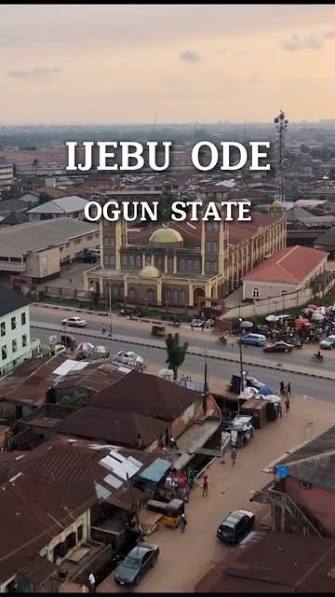
Ijebu-Ode witnessed an overwhelming wave of excitement and celebration as thousands of residents, tourists, cultural enthusiasts, and dignitaries gathered for this year’s Ojude Oba Festival, one of Nigeria’s most respected traditional events.
The ancient town in Ogun State transformed into a colorful arena filled with music, dancing, fashion, horse-riding displays, and cultural pride as people from different backgrounds joined the celebration honoring the Awujale of Ijebuland.
From the early morning hours, major roads leading into the town became heavily occupied as guests arrived from different parts of the country and beyond. Hotels, restaurants, transport operators, and local businesses experienced increased activities as the influx of visitors boosted commercial operations across the community. Residents described the atmosphere as lively and unforgettable, with excitement spreading through every corner of the town.
The annual Ojude Oba Festival, traditionally celebrated shortly after the Eid festivities, has become one of the biggest cultural gatherings in Nigeria. The event is known for bringing together sons and daughters of Ijebuland to pay respect to the Awujale while proudly displaying the traditions, values, and identity of the Yoruba people. Over the years, the festival has evolved into a major attraction that draws attention from across the globe.
This year’s edition featured grand cultural displays that captivated spectators throughout the day. Various regberegbe age-grade groups arrived in coordinated outfits, dancing joyfully and entertaining guests as they paid homage to the monarch. The groups displayed unity, discipline, and creativity through colorful appearances that reflected the beauty of Yoruba tradition.
One of the most anticipated highlights of the celebration remained the horse-riding parade, which attracted loud cheers from spectators. Riders dressed in richly decorated traditional attire mounted beautifully adorned horses while moving elegantly through the festival arena. The processions reflected strength, royalty, prestige, and the deep cultural heritage associated with the Ijebu people.
Traditional drummers, dancers, and praise singers added excitement to the event with energetic performances that echoed through the gathering. The sounds of talking drums and local musical instruments created a festive atmosphere as guests applauded performers showcasing cultural excellence before the monarch and distinguished visitors.
The Awujale of Ijebuland, Oba Sikiru Adetona, received guests and cultural groups who attended the event in large numbers. The monarch, regarded as one of Nigeria’s most respected traditional rulers, was celebrated for his role in preserving the customs and traditions of the Ijebu people. Community leaders and attendees praised his continued support for cultural heritage and unity within the kingdom.
Political leaders, celebrities, diplomats, business figures, and socialites were also among the prominent personalities present at the festival. Their attendance further highlighted the growing importance of the event as not only a cultural celebration but also a gathering that promotes tourism, unity, and social interaction.
Security agencies maintained a visible presence throughout the town to ensure order and safety during the festivities. Officers were stationed at strategic locations while traffic officials worked to control movement around major roads crowded with visitors and vehicles. Residents commended the peaceful conduct of participants despite the massive turnout recorded during the celebration.
The economic impact of the festival was strongly felt across Ijebu-Ode as traders and entrepreneurs benefited from increased commercial activities. Vendors selling food, beverages, clothing materials, beads, crafts, and souvenirs recorded high sales during the event. Many business owners expressed satisfaction with the large number of customers who patronized their products and services.
Hotel operators and hospitality businesses also enjoyed significant patronage as visitors booked accommodations ahead of the celebration. Restaurant owners and event planners described the festival period as one of the busiest moments of the year due to the huge number of guests arriving in the town.
Young people attending the event used the opportunity to celebrate fashion, culture, and entertainment. Social media platforms were flooded with photographs and videos showing glamorous outfits, dance performances, horse-riding displays, and cultural processions from the festival grounds. Many attendees described the celebration as one of the most visually impressive cultural events in Africa.
Fashion continued to play a major role during the festival as guests appeared in luxurious traditional attire made from aso-oke and other richly designed fabrics. Men wore decorated agbada outfits while women dazzled in colorful iro and buba styles complemented with beads, headgear, and accessories that reflected Yoruba elegance and identity.
Observers noted that the festival has become an important platform for preserving African traditions in a rapidly modernizing society. Cultural advocates emphasized that gatherings like Ojude Oba help younger generations remain connected to their roots while encouraging respect for history, customs, and community values.
Tourism experts also believe the festival possesses enormous international potential capable of attracting more foreign visitors if properly promoted. They explained that the combination of history, fashion, music, horse-riding culture, and community participation makes the event unique among global cultural festivals.
For many visitors attending for the first time, the celebration offered a memorable experience filled with hospitality and cultural education. Some guests expressed admiration for the organization of the event and the unity displayed by participants throughout the festivities.
Community leaders described the festival as a symbol of peace and togetherness among the Ijebu people. According to them, the annual gathering strengthens relationships among families, age groups, and social associations while promoting harmony and cultural continuity.
Religious tolerance also remained visible during the celebration as people from different faiths participated peacefully in the activities. Observers noted that the festival continues to serve as a reminder that cultural heritage can unite communities regardless of religious or political differences.
As celebrations continued into the evening, different social gatherings and entertainment events were organized across the town. Music performances, family parties, and cultural receptions extended the excitement beyond the main festival arena as guests continued enjoying the atmosphere surrounding the event.
Corporate organizations and brands also used the opportunity to connect with the large audience attending the festival. Analysts believe the increasing commercial interest surrounding Ojude Oba reflects its growing reputation as one of Nigeria’s most influential cultural celebrations.
Residents expressed pride in the recognition the festival has continued to attract both locally and internationally. Many called for greater government support and investment in cultural tourism to help preserve the event and expand its economic benefits for the community.
As the festival gradually came to an end, excitement still remained visible across Ijebu-Ode. The streets continued to witness movement from visitors sharing memorable experiences from the colorful celebration that once again showcased the beauty and strength of Yoruba culture.
For many attendees, this year’s Ojude Oba Festival represented more than entertainment. It served as a celebration of identity, unity, tradition, and history while reminding younger generations of the importance of preserving their heritage. With another successful edition completed, expectations are already rising for an even bigger and more vibrant celebration next year.

