



Nigeria’s Economic Crossroads: Inflation Eases, but Food Inflation Still Punishes Households
One would say that the macroeconomic indicators are finally pointing in the right direction, yet daily realities for households and businesses tell a very different story because Nigeria stands at a delicate intersection. No doubt, on paper, inflation is easing, the naira is stabilising, and sovereign ratings have improved. Still, food prices remain painfully high, purchasing power continues to deteriorate, and insecurity is ravaging the agricultural value chain — ensuring that any progress in inflation moderation remains fragile.
To understand the depth of this crisis, readers may explore related analyses such as How insecurity is bleeding Nigeria about $15bn annually and destroying its economic future, which highlights the economic damage insecurity inflicts.
As the Central Bank of Nigeria (CBN) convenes its 303rd Monetary Policy Committee (MPC) — its final meeting of the year on 24–25 November — the dilemma before it is clear: Should it respond to improving macroeconomic data with further monetary easing, or should it recognise that the true enemy of price stability is not merely monetary but structural, deeply rooted in insecurity and collapsing food supply?
The reality confronting the nation is that, despite favourable macroeconomic tailwinds, Nigeria’s biggest inflationary threat is insecurity-induced food inflation, which remains largely unaddressed. Until the MPC anchors its decisions around this core challenge, monetary policy will continue to chase shadows.

Food Inflation Crisis: Why Rising Food Prices Defy Falling Headline Inflation
The National Bureau of Statistics’ latest Consumer Price Index (CPI) report revealed that inflation improved for the second consecutive month, falling sharply from 18.02 percent in September to 16.05 percent in October 2025, the lowest in 44 months. This moderation was driven by a new CPI base year and some easing in food prices.
Whilst headline inflation has slowed, month-on-month inflation increased from 0.72 percent to 0.93 percent, underlining persistent price pressure at the household level. Nigerians are still paying more for food, transport, energy, housing, and essential services.
Obviously, the Organised Private Sector (OPS) welcomed the drop but quickly cautioned that it does not reflect real-life conditions.
Dr. Muda Yusuf… (content unchanged)
Food Inflation: Nigeria’s Most Dangerous Economic Threat
Presently, food inflation remains Nigeria’s most damaging and persistent price problem. Even with the October headline easing, food prices remain abnormally high, threatening household welfare and national stability.
Eke Ubiji… (content unchanged)
Across key food-producing belts… (content unchanged)
Femi Egbesola… (content unchanged)
Without resolving insecurity, food inflation will continue to undermine every macroeconomic gain.
To better understand how insecurity directly impacts schools, communities, and food-producing regions, see:
Insecurity: Police speak on Delta school invasion by bandits.
OPS Warning: Falling Inflation Figures Do Not Reflect Real-Life Hardship
Across all private-sector groups, one message is constant: inflation numbers are falling, but hardship remains high.
SMEs shutting down
Purchasing power collapsing
Input costs rising
Food prices soaring
According to Ubiji… (content unchanged)
Even the LCCI… (content unchanged)
The MPC must confront this reality: monetary policy cannot deliver stability while insecurity destroys food production.
For more editorial perspectives on Nigeria’s structural economic challenges, explore:
Editorial Articles – TopSocietyNigeria.
Improving Economic Indicators Offer Hope — But Food Inflation Dominates Everyday Life
Nigeria’s macroeconomic fundamentals… (content unchanged)
But favourable indicators cannot hide the fact that Nigeria is still battling a food inflation crisis fuelled by worsening insecurity.
Analysts Split on MPC Direction… (content unchanged)
But the real issue remains: monetary policy cannot fix insecurity.
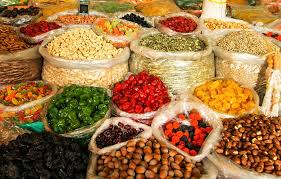
Why Monetary Policy Cannot Overcome Insecurity-Driven Food Inflation
Regardless of the MPC’s decision, three facts are undeniable:
Over 60% of inflation is food inflation
Food inflation is driven by insecurity
No monetary tool can stop insecurity
Until food-producing regions are secure… (content unchanged)
This echoes broader themes found in national reflections such as Nigeria Independence Illusion — examining why structural weaknesses persist despite policy reforms.
What the MPC Must Do to Tackle Food Inflation at Its Root
Recognise insecurity as the key inflation driver
Collaborate with security agencies
Invest in food-producing regions
Prioritise credit for secured agriculture
Strengthen data collaboration
The Real Enemy Is Insecurity — Not Monetary Indicators
Nigeria’s improving macroeconomic metrics… (content unchanged)
Nigeria does not merely have a monetary policy problem — Nigeria has a food inflation problem driven by insecurity.
Until that problem is solved, macroeconomic gains will remain fragile, temporary, and incomplete.
Written by Blaise Udunze