



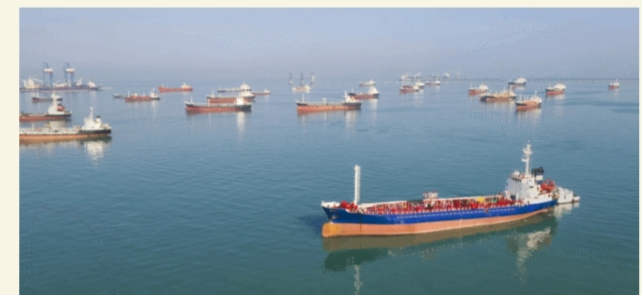
Importers across the Gulf region are urgently looking for alternative routes to move essential goods after the Strait of Hormuz was effectively shut down.
The disruption follows the ongoing conflict involving the United States, Israel, and Iran, which has halted commercial shipping through one of the world’s most important oil and trade routes.
According to a Reuters report, businesses that rely on imports such as food, medicines, and industrial supplies are now exploring land transportation as shipments remain stuck.
Topsociety recalls that the closure of the strait has created major challenges for supply chains. Logistics companies are struggling to redirect ships, move goods through other ports, and prevent perishable items from spoiling.
Ronan Boudet of data firm Kpler warned that prices could rise sharply. He explained that transporting goods by truck to cities like Dubai would cost much more than shipping by sea.
Before the conflict escalated, about 81 container ships were heading to ports within the Strait of Hormuz. Since then, 43 vessels have been redirected to other Gulf ports, while others have been sent outside the region entirely.
The Gulf region depends heavily on imports due to its dry climate, with around 70 percent of its food passing through the strait. Major ports like Jebel Ali in Dubai are now affected by the disruption.
Food supplies are among the hardest hit. For example, about 5,000 metric tons of French apples meant for Dubai are currently stranded. Exporters have already faced about €900,000 in extra shipping costs and are trying to reroute the goods.
The conflict has also shaken global energy markets. The Strait of Hormuz normally carries about 20 percent of the world’s oil, and the disruption has pushed oil prices to their highest levels since 2022.
U.S. President Donald Trump has called on countries that depend on Gulf oil to help protect the shipping route. However, countries like Japan and Australia say they are only monitoring the situation for now.
Meanwhile, France and Italy are reportedly in talks with Iran to find a solution that will ensure safe passage for their ships.
Overall, the situation is causing rising costs, delays in supplies, and growing concerns about safety across global trade and energy markets.