






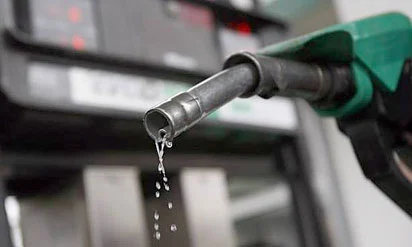
Nigeria’s petrol price surge to about ₦1,400 per litre is doing more than straining wallets, it is quietly reshaping the structure of the country’s informal economy, where millions of Nigerians earn and spend daily.
While much of the public debate has focused on inflation, transport fares, and government policy, a deeper shift is taking place beneath the surface.
The rising cost of fuel is redefining how small-scale economic activity operates, from street trading to logistics, and even the way money circulates within communities.
In commercial hubs like Lagos, the informal sector forms the backbone of daily life. Street vendors, bus drivers, artisans, and small shop owners depend heavily on mobility moving goods, reaching customers, and maintaining steady turnover. With petrol prices at current levels, that mobility is being constrained.
For transport operators, the increase has forced a recalibration of daily targets. Drivers who once relied on multiple trips to generate profit are now reducing movement to conserve fuel. Fewer trips mean fewer passengers moved, creating a ripple effect that extends beyond transportation into productivity across sectors.
This shift is particularly significant because Nigeria’s informal economy thrives on volume and speed. Goods are bought, sold, and redistributed quickly, often within the same day. When fuel costs rise, that cycle slows down. Traders restock less frequently, deliveries are delayed, and perishable goods face higher risks of spoilage due to longer transit times.
The result is not just higher prices, but reduced market activity. Even digital and mobile-based businesses are feeling the pressure. Delivery services, which have become increasingly important in urban areas, are adjusting pricing models to reflect fuel costs. This has led to a decline in demand, as customers become more selective about when and how they order goods. In effect, fuel prices are influencing consumer behavior in ways that go beyond traditional spending patterns.
The presence of the Dangote Refinery has raised expectations of relief, but its impact on everyday transactions remains gradual. While the refinery strengthens domestic supply, pricing is still shaped by broader economic conditions, including currency fluctuations and distribution inefficiencies.
What makes the current situation particularly complex is that the informal economy lacks buffers.
Unlike large corporations, small-scale operators cannot easily absorb rising costs. Instead, they adjust in real time reducing stock, limiting operations, or increasing prices. These adjustments, though individually small, collectively influence the pace and stability of economic activity.
Another emerging trend is the localization of commerce. As transportation becomes more expensive, both sellers and buyers are increasingly operating within smaller geographic areas. Neighborhood markets are gaining more importance, while long-distance trade especially for low-margin goods is becoming less attractive.
This gradual shift could have long term implications. A more localized economy may reduce efficiency and limit access to diverse goods, while also reinforcing price disparities between regions. Areas with easier access to supply routes may stabilize faster, while others could experience prolonged cost pressures.
At the household level, the impact is equally pronounced. Families are making more deliberate purchasing decisions, prioritizing essentials and reducing discretionary spending. This, in turn, affects businesses that rely on non-essential sales, further slowing economic circulation.
Government officials continue to emphasize that the current pricing environment reflects necessary reforms aimed at long term sustainability. However, the immediate effects highlight the delicate balance between policy objectives and lived realities.
The situation also underscores a broader truth: fuel is not just an energy source in Nigeria, it is a central driver of economic rhythm.
When its price rises significantly, the effects are not isolated; they spread across every layer of activity, particularly in sectors that depend on constant movement and quick turnover.
As the Dangote Refinery continues to scale operations, expectations remain that increased local refining will eventually contribute to stability.
However, for now, the experience on the ground suggests that the real impact of high fuel prices is being felt not just in how much Nigerians pay, but in how their entire economic system adjusts to survive.
In this evolving landscape, the story is no longer just about expensive petrol, it is about a nation recalibrating the way it works, trades, and moves in response to one of its most critical resources.

