




The Federal Government yesterday announced the scrapping of separation between Junior Secondary School (JSS) and Senior Secondary School (SSS) after data showed more than 20 million students dropped out before reaching the senior secondary level.
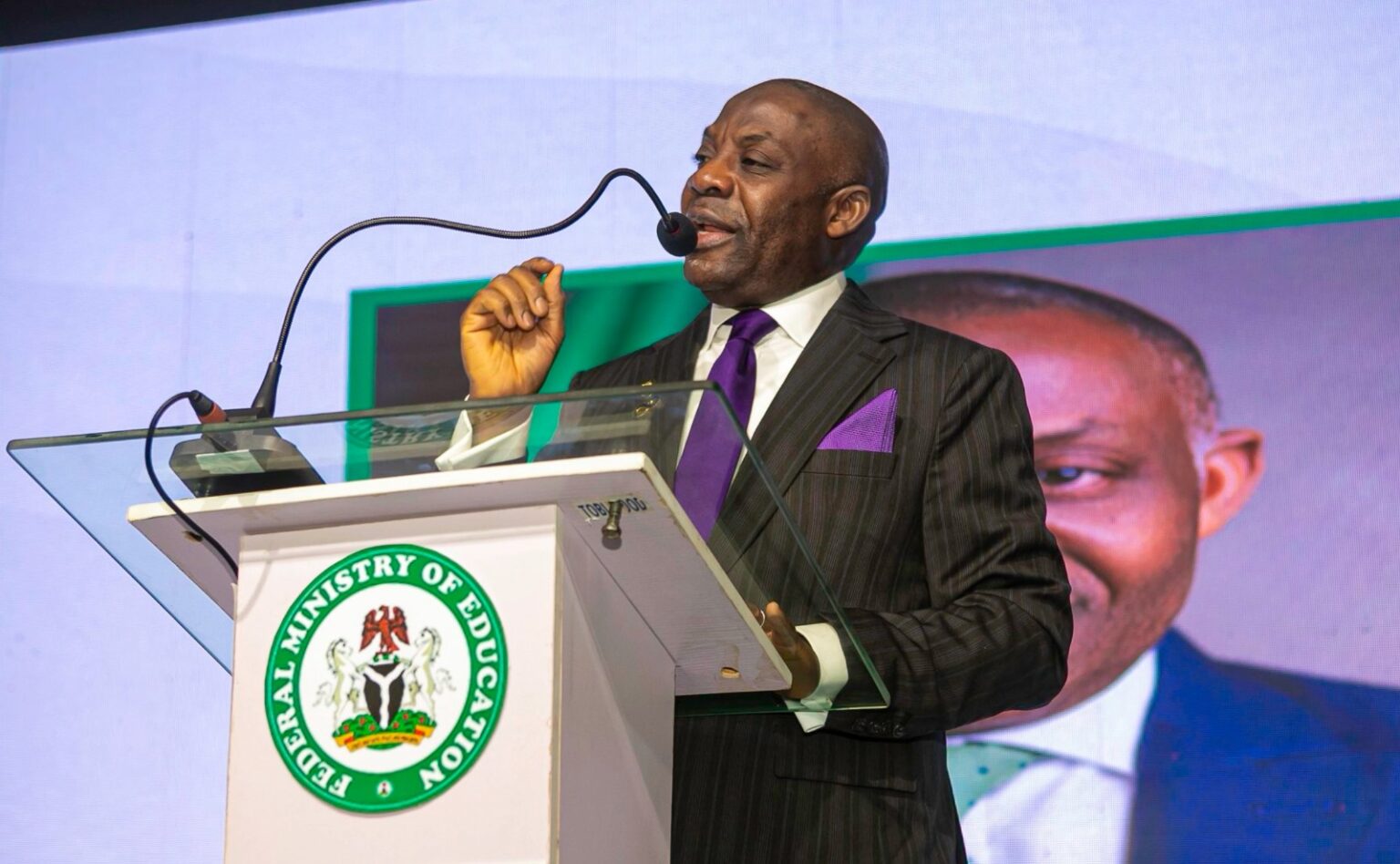
Minister of Education, Dr Tunji Alausa, announced the decision in Abuja at the inauguration of the UBEC Ministerial Implementation and Monitoring Committee, also said that the 6-3-3-4 structure will be replaced with a compulsory 12-year uninterrupted basic education model.
He said the reform is aimed at improving access to education, reducing the number of out-of-school children, and ensuring that every Nigerian child receives 12 years of continuous, quality education before progressing to tertiary institutions or vocational training.
Alausa said the “disarticulation policy,” which required JSS and SSS to operate separately with different principals and facilities, has not met its objectives.
“We have 20 million dropouts from primary school to JSS. Where are those students? We also found we have 80,000 public primary schools, and only about 15,000 junior secondary schools. That’s a one to eight ratio,” he said.
The minister said the imbalance has caused overcrowding in JSS facilities and left many senior secondary schools underutilised. He cited Kaduna and other northern states as examples.
“This disarticulation policy has failed. We will phase it out. We can’t be creating positions because we want to create a director level for people while we harm our education system. It’s about doing what is best for every Nigerian child,” he said.
Alausa added that the proposal to abolish the policy will be tabled at the next meeting of the National Council on Education.
The policy shift is aimed at expanding access and improving learning outcomes, Alausa said. He acknowledged past failures in addressing transition rates but stated: “This government will not fail. We are fixing it.”
The Federal Government said implementation of the policy will involve curriculum reforms, teacher training, adjustments to school administration, and collaboration with state governments and other stakeholders.
Education stakeholders are expected to closely monitor the rollout of the reform, which the government believes will improve educational outcomes and expand opportunities for millions of Nigerian children.

