


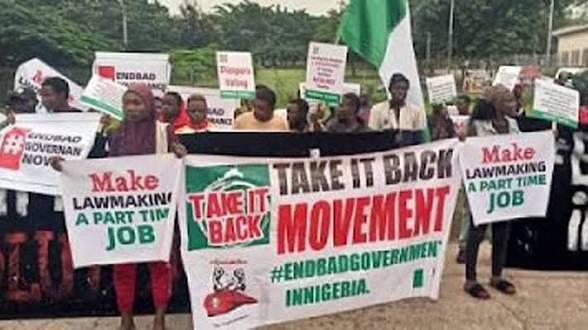
The Take It Back Movement has announced plans to hold a nationwide protest on August 5, saying the demonstration is aimed at drawing attention to the worsening economic hardship, persistent insecurity, and governance challenges confronting Nigeria.
The group has called on citizens across the country to participate in what it describes as a peaceful civic action intended to demand greater accountability and urgent policy responses from government authorities.
According to the organisers, the planned protest is a response to growing frustration among Nigerians over the rising cost of living and what they describe as the slow pace of improvements in critical sectors affecting everyday life. The movement argues that millions of Nigerians are facing unprecedented economic pressure, making it increasingly difficult for households to meet their basic needs.
The announcement has generated widespread discussions across the country, with many citizens expressing differing opinions on the planned demonstration. While some believe peaceful protests remain an important democratic tool for holding public officials accountable, others have urged caution, stressing the need to avoid violence or disruption of economic activities.
Economic hardship remains one of the major issues highlighted by the organisers. Over the past year, Nigerians have experienced significant increases in the prices of food, transportation, electricity, cooking gas, healthcare, and other essential goods and services. These rising costs have placed enormous pressure on families, especially those with fixed or low incomes.
Many households have adjusted their spending habits, reduced non-essential expenses, and sought additional sources of income to cope with the current economic realities. Small and medium-sized businesses have also struggled with higher operational costs, exchange rate fluctuations, and declining consumer purchasing power, leading some businesses to scale down operations or lay off workers.
The organisers argue that despite various government interventions, many Nigerians have yet to feel meaningful relief from the economic challenges affecting their daily lives. They insist that citizens have the constitutional right to peacefully express their concerns and call for policies that directly improve living standards.
Insecurity is another major concern raised by the movement. Across several parts of Nigeria, incidents involving kidnapping, banditry, communal clashes, and attacks by criminal groups continue to affect communities. In some rural areas, insecurity has forced farmers to abandon their farmlands, contributing to reduced agricultural production and higher food prices.
The organisers maintain that improving security should remain one of the country’s highest priorities because safety is essential for economic growth, investment, education, and national development. They argue that businesses cannot thrive where insecurity discourages investment and limits commercial activities.
The movement has also expressed concerns about governance, urging leaders at all levels to strengthen transparency, accountability, and responsiveness to the needs of citizens. According to the organisers, government policies should place greater emphasis on improving public welfare, creating employment opportunities, expanding infrastructure, and ensuring efficient delivery of essential services.
Political analysts say the planned protest reflects broader concerns shared by many Nigerians regarding economic conditions and national development. They note that public demonstrations have historically served as a platform through which citizens communicate dissatisfaction with government policies and demand reforms.
Supporters of the protest argue that peaceful demonstrations are protected under Nigeria’s Constitution, which guarantees citizens the rights to freedom of expression, peaceful assembly, and association. They believe these rights are fundamental to democratic governance and should be exercised responsibly.
At the same time, security experts have advised organisers and participants to ensure that the planned demonstration remains peaceful throughout its duration. They warn that criminal elements sometimes attempt to infiltrate public gatherings to engage in vandalism, looting, or attacks on security personnel, actions that can undermine the objectives of peaceful protesters.
Security agencies are expected to monitor developments closely before and during the planned protest. Authorities typically deploy personnel to strategic locations during nationwide demonstrations to protect lives and property while maintaining public order. Officials have repeatedly urged citizens participating in protests to cooperate with security personnel and avoid actions capable of disrupting public peace.
Civil society organisations have continued to advocate constructive engagement between citizens and government institutions. Many believe that while protests provide an avenue for expressing public dissatisfaction, sustained dialogue and policy engagement remain essential for achieving long-term solutions to complex national challenges.
Economic experts acknowledge that Nigeria’s economic difficulties have been influenced by a combination of domestic and international factors. Inflation, foreign exchange pressures, global supply chain disruptions, energy costs, and broader economic adjustments have affected prices across multiple sectors. Nevertheless, many analysts believe targeted policies can help reduce the burden on ordinary citizens while encouraging investment and job creation.
The Take It Back Movement says the August 5 protest is intended to unite Nigerians regardless of ethnicity, religion, or political affiliation. According to the organisers, the issues of insecurity, rising living costs, unemployment, and governance affect citizens across all regions and social classes.
Youth groups are expected to play a significant role in the planned demonstration. Nigeria’s youthful population has increasingly used peaceful civic engagement to demand reforms in governance, employment, education, and public service delivery. Many young Nigerians continue to call for greater opportunities, improved infrastructure, and policies capable of supporting entrepreneurship and innovation.
Market traders, artisans, transport operators, students, professionals, and labour groups have also expressed concerns in recent months over the country’s economic conditions. Rising transportation costs have increased the prices of goods and services, while businesses continue to grapple with operating expenses that have reduced profit margins.
Observers note that successful public demonstrations depend largely on effective coordination, clear communication, and discipline among participants. Organisers have repeatedly emphasised that the August 5 protest is expected to remain peaceful and orderly, urging participants to avoid confrontations or acts capable of undermining the credibility of the demonstration.
Human rights advocates have reminded both protesters and security agencies of their respective responsibilities under the law. While citizens have the right to peaceful assembly, participants are expected to obey lawful directives and refrain from destroying public or private property. Likewise, security agencies are expected to carry out their duties professionally while respecting the constitutional rights of citizens.
Government officials have consistently stated that efforts are ongoing to improve national security, stabilise the economy, and implement reforms aimed at promoting sustainable development. Authorities have highlighted investments in agriculture, infrastructure, social welfare programmes, education, healthcare, and industrial development as part of broader strategies designed to strengthen the economy and improve citizens’ welfare.
Despite these initiatives, many Nigerians continue to demand quicker and more visible improvements in their living conditions. Public opinion remains divided on the effectiveness of current policies, with supporters arguing that reforms require time to produce results, while critics insist that immediate relief measures are necessary to address the hardships facing millions of households.
As the scheduled date approaches, public attention is expected to focus on preparations by organisers, responses from relevant authorities, and any possible engagements between government representatives and civil society groups. Analysts believe dialogue before the protest could help reduce tensions while creating opportunities for meaningful discussions on issues raised by the organisers.
The planned nationwide demonstration underscores the continuing importance of civic participation in Nigeria’s democratic process. Whether through peaceful protests, public consultations, legislative advocacy, or policy dialogue, many citizens continue to seek greater involvement in shaping decisions that affect their lives and communities.
Ultimately, the August 5 protest represents more than a single day’s demonstration. It reflects broader conversations about economic recovery, national security, good governance, and the relationship between government and the people. Regardless of differing opinions on the planned protest, the issues raised have become central to national discussions about Nigeria’s future and the collective effort required to build a more secure, prosperous, and inclusive society for all citizens.