





Nigeria is witnessing intense political debate following the Senate’s recent move to alter key provisions of the Electoral Act, a development that has sparked widespread public backlash and raised concerns about the credibility of the 2027 general elections. At the heart of the controversy is the issue of whether electronic transmission of election results should be made compulsory, with critics arguing that the latest legislative decision weakens transparency safeguards.
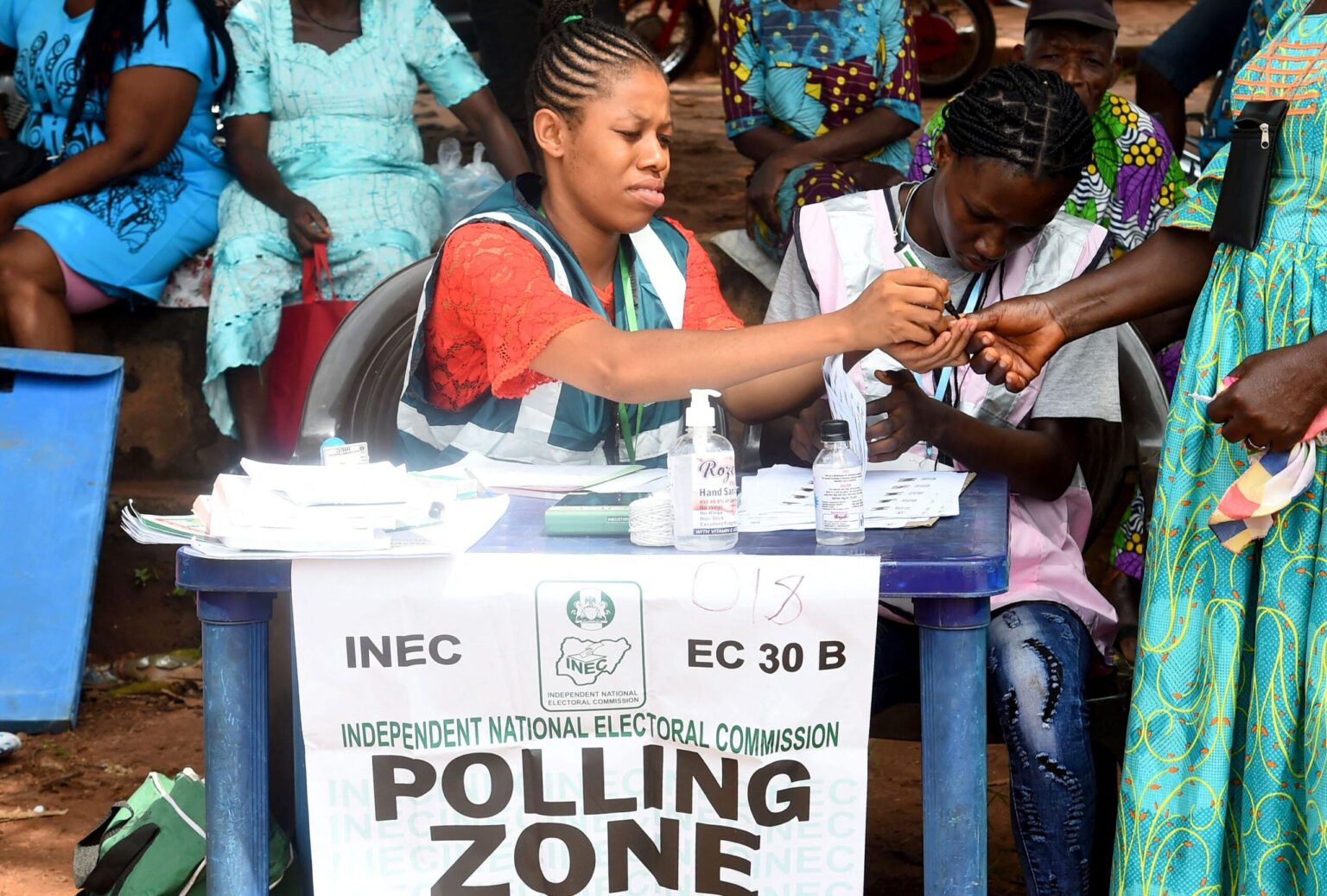
For many Nigerians, the demand for mandatory real-time electronic transmission of results from polling units is seen as essential to strengthening electoral integrity. Supporters of this measure believe that immediate uploading of results reduces opportunities for manipulation, limits human interference, and allows citizens to independently verify outcomes as they are announced. The expectation has been that technology would serve as a critical tool in closing loopholes that have historically undermined public confidence in elections.
However, during deliberations on proposed amendments to the Electoral Act, the Senate opted not to make electronic transmission compulsory. Instead, the responsibility for determining how results are transmitted remains at the discretion of the Independent National Electoral Commission (INEC). This decision has been interpreted by many observers as a retreat from stronger guarantees of transparency.
Civil society organizations have been among the strongest voices expressing concern. Advocacy groups argue that leaving electronic transmission to administrative discretion rather than enshrining it in law opens the door to inconsistency and potential abuse. They warn that without a firm legal requirement, future elections could again be marred by allegations of technical failures or unexplained delays in uploading results issues that have previously generated controversy and mistrust.
Opposition political parties have also criticized the Senate’s stance, describing it as a step backward in Nigeria’s democratic journey. Several parties have publicly stated that mandatory electronic transmission would have strengthened electoral credibility and reassured voters that their ballots would be accurately recorded and reported. According to these critics, the absence of a clear legal obligation may create uncertainty and fuel suspicions during the next election cycle.
Prominent political figures have joined the debate, warning that weakening transparency mechanisms could have long-term consequences for democratic stability. Some argue that while many democracies around the world are adopting technological solutions to improve accountability in elections, Nigeria risks undermining progress by failing to fully commit to digital transparency tools. They contend that public trust, once eroded, is difficult to restore.
On the other hand, some lawmakers have clarified that the Senate did not entirely reject the concept of electronic transmission. According to their interpretation, the existing framework still allows for electronic processes but avoids rigid mandates that could pose logistical challenges in remote areas with limited connectivity. Supporters of this approach maintain that flexibility is necessary to accommodate diverse realities across the country’s vast and varied terrain.
Nevertheless, the perception that reforms were diluted has continued to dominate public discourse. For many citizens, the issue is not merely about technological capacity but about guaranteeing that election results cannot be altered after votes are cast. In a political environment where past elections have been challenged in court and contested in the public sphere, even minor ambiguities can generate significant mistrust.
Beyond the electronic transmission debate, other proposed amendments to the Electoral Act have also drawn scrutiny. Critics have pointed to adjustments involving election timelines, penalties for electoral offences, and procedures governing election petitions. Some fear that without broad consensus and careful drafting, such changes could unintentionally weaken accountability mechanisms or complicate post-election dispute resolution.
The timing of the amendments has added to the tension. With the 2027 elections approaching, stakeholders argue that clarity in electoral laws is essential to allow adequate preparation by electoral authorities, political parties, and voters. Delays or uncertainty in finalizing reforms could create confusion and increase the risk of disputes closer to election day.
Ultimately, the controversy highlights deeper issues within Nigeria’s democratic system particularly the persistent challenge of building and sustaining public trust. Elections are not only about casting ballots but about ensuring that outcomes reflect the genuine will of the people. Legal frameworks play a crucial role in shaping perceptions of fairness and legitimacy.
If the current concerns remain unresolved, they could contribute to voter apathy or heightened political tensions. Conversely, transparent dialogue and constructive engagement among lawmakers, political actors, civil society groups, and electoral authorities could still produce a balanced reform package that reassures citizens and strengthens democratic institutions.
As Nigeria moves closer to another electoral cycle, the debate over the Electoral Act serves as a reminder that democracy depends not only on institutions but on public confidence in those institutions. Ensuring clarity, transparency, and accountability in electoral processes will be essential to safeguarding the credibility of the 2027 general elections and reinforcing faith in the nation’s democratic future.

