



As Nigerians grapple with economic hardships and cash crunch, an unexpected relic from the past had suddenly resurfaced – old naira notes, once thought to be phased out by now, still remains a legal tender, as recently announced by Nigeria’s Central Bank.
While these notes still have legal standing, the resurgence of the subject raised questions about the challenges once faced by citizens in accessing and utilizing their money, particularly in this time of economic uncertainty.
The persistence of old Naira notes has become a symbol of the enduring struggles faced by Nigerians, particularly during periods of financial instability. With reports of long queues at banks and ATMs running dry.
Recall that towards the end of the year in 2022, the then CBN Governor, Godwin Emefiele announced the stoppage of continuous usage of old N1,000, N500 and N200 notes within a limited time frame.
It was a very difficult period for Nigerians as the new notes introduced were barely enough to circulate while the rich hoarded them in their closets.
Following lots of interventions by the Presidency and the court, the usage of the old Naira notes were extended to December 2023.
As the year is winding down, Nigerians began getting agitated again, remembering the hardship they went through the previous year. The worry was however stepped down as CBN announced few days ago that the old Naira notes still remained legal tender and Nigerians should carry on with their day to day lives without fear of Naira scarcity.
The circular which was pubished on CBN’s X account read:
“For the avoidance of doubt, while reiterating that there are sufficient banknotes across the country for all normal economic activity, we wish to state unambiguously that every banknote issued by the Central Bank of Nigeria remains legal tender and should not be rejected by anyone, as stipulated in Section 20(5) of the CBN Act, 2007.
“Accordingly, branches of the CBN across the country have been directed to continue to issue different denominations of old and redesigned banknotes in adequate quantities to Deposit Money Banks for onward circulation to bank customers.
“We wish to restate that all denominations of banknotes issued by the CBN remain legal tender. In line with Section 20(5) of the CBN Act, 2007.”
It added that “no one should refuse to accept the naira as a means of payment.”
Rollercoaster of Emefiele’s Arrest, Detention, Release and Re-arrest
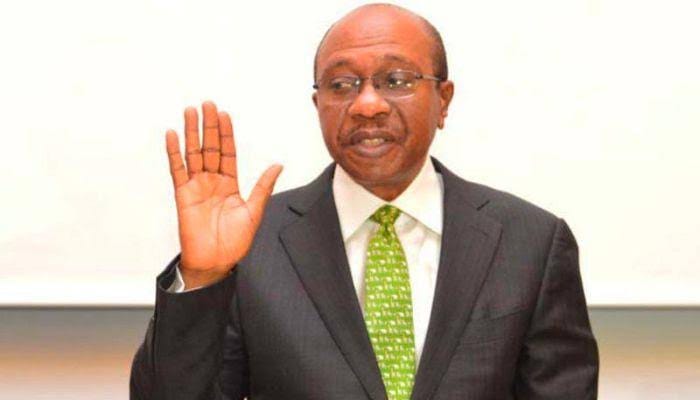
However, amidst this financial predicament, the nation’s attention is also drawn to the legal woes of Godwin Emefiele, the former Governor of the Central Bank of Nigeria. Recent events involving Emefiele spending time in custody, obtaining bail, and the looming question of whether he will face the consequences of alleged wrongdoings have added another layer of complexity to the economic landscape.
Emefiele’s legal troubles stem from allegations of financial impropriety and corruption.
On the 9th of June 2023, barely a week after President Tinubu assumed office, Emefiele was suspended and immediately arrested by the Department of State Services, DSS, while he was being charged for fraudulent activities in his offices. The affairs of his office was handed over to his deputy, Folashodun Shonubi until recently when the resident appointed Cardoso as the new apex bank Governor.
After spending a month in the custody of the DSS, he was arraigned at the court. Although he was discharged on a bail condition, he was immediately rearrested.
Read also: BREAKING! Emefiele Granted Bail After Prolonged Detention
Having been in the custody of the Economic and Financial Crimes Commission (EFCC) for 151 days, after he was finally released by the DSS at the court’s order, Emefiele was finally charged to court and the court in Lagos ordered for his conditional release pending when he would be appearing in court again. Meanwhile all his travel documents were seized. Recall that the EFCC arrested Emefiele on the account of misappropriation of funds while he was the CBN governor.
As the former head of the central bank, his actions were crucial in shaping the country’s monetary policies and ensuring economic stability. The uncertainty surrounding his situation raises concerns about the potential impact on the financial sector and the overall confidence in economic governance.
As the narrative intertwines the struggles of everyday Nigerians dealing with the resurgence of old naira notes and the broader context of the nation’s economic challenges, it also prompts reflection on the effectiveness of current financial systems and the need for transparency and accountability in leadership.
While Emefiele’s legal journey unfolds, Nigerians are left wondering whether justice will prevail or if a settlement will allow him to return a portion of allegedly looted funds to the government, enabling him to walk away freely. The outcome of this case will undoubtedly have repercussions on public trust in institutions and the fight against corruption.