






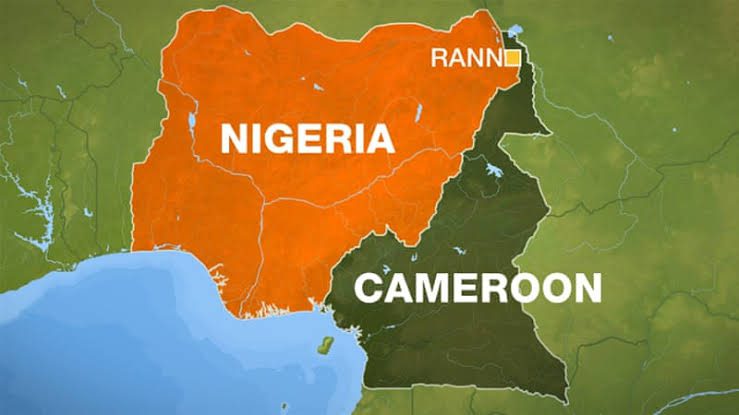
Nigeria and Cameroon have signed a new bilateral agreement aimed at strengthening aviation safety and improving coordinated search and rescue operations between the two neighboring countries. The development marks a significant step toward enhancing regional air travel security, boosting cooperation in emergency response, and aligning both nations with international aviation standards.
The agreement focuses primarily on improving collaboration in airspace management and ensuring rapid response to aviation emergencies, particularly in border regions where aircraft movements frequently overlap. Given the increasing volume of air traffic across West and Central Africa, both governments acknowledged the need for stronger technical partnerships to prevent accidents and ensure swift rescue efforts when incidents occur.
Aviation experts note that shared airspace arrangements between neighboring countries require high levels of coordination, especially in monitoring aircraft movements and responding to distress signals. The new framework establishes clearer communication channels between aviation authorities in both nations, ensuring that emergency alerts are transmitted and acted upon without delay. This is expected to significantly reduce response times in cases of aircraft distress, missing flights, or emergency landings.
One of the key highlights of the agreement is the creation of joint search and rescue protocols. These protocols define how rescue teams from both countries will collaborate during aviation emergencies. Instead of operating independently, aviation authorities will now share radar data, flight information, and operational resources when required. This cooperative approach ensures that rescue missions are not delayed by bureaucratic or jurisdictional obstacles.
The Gulf of Guinea and surrounding regions have seen increased commercial and private aviation activity in recent years, making enhanced surveillance and emergency preparedness essential. By formalizing joint operations, Nigeria and Cameroon aim to improve safety coverage across their shared airspace corridors, particularly along busy commercial routes.
In addition to emergency response coordination, the agreement also includes commitments to strengthen technical training and capacity building. Aviation personnel from both countries are expected to participate in joint training programs, simulation exercises, and technical exchanges. These initiatives will help standardize safety procedures and ensure that aviation professionals operate using harmonized protocols.
Both countries also pledged to upgrade certain aviation infrastructure to support the agreement’s implementation. This may include improved radar systems, enhanced communication technology, and better integration of air traffic control systems. Strengthening these technical foundations is crucial to ensuring that safety improvements are sustainable over the long term.
The agreement aligns with global aviation standards set by the International Civil Aviation Organization, which encourages regional cooperation as a means of improving safety oversight. ICAO has consistently emphasized that collaborative frameworks between neighboring states are essential in managing cross-border air traffic efficiently. By working together, Nigeria and Cameroon can close potential gaps in surveillance and emergency response coverage.
Beyond safety improvements, the agreement carries economic implications. Reliable aviation systems are critical for trade, tourism, and investment. Airlines are more likely to operate in regions where safety standards are clear and coordinated across borders. Enhanced aviation cooperation may therefore encourage more regional and international carriers to expand routes connecting cities in both countries.
Business leaders and aviation stakeholders have welcomed the development, describing it as a positive move toward deeper regional integration. The agreement may also serve as a model for other African nations seeking to improve cross-border aviation management. Regional aviation challenges often require collective solutions, especially where airspace boundaries are closely linked.
Security analysts have pointed out that coordinated aviation monitoring can also contribute to broader national security objectives. Improved airspace surveillance makes it more difficult for unauthorized or suspicious flights to operate undetected. By sharing information and intelligence, both countries strengthen their ability to address potential security threats.
The timing of the agreement reflects a broader push across Africa to modernize aviation systems and meet international safety benchmarks. As air travel demand continues to grow, countries are under increasing pressure to upgrade infrastructure, strengthen regulatory oversight, and improve crisis response capabilities. Collaborative agreements such as this demonstrate a recognition that aviation safety is not limited by national borders.
While implementation will require consistent funding and technical commitment, officials from both sides have expressed confidence that the partnership will yield long-term benefits. Regular review meetings are expected to assess progress, address challenges, and refine operational procedures as needed.
In the coming months, aviation authorities from Nigeria and Cameroon are expected to begin joint simulations and coordination exercises designed to test the new system. These drills will help identify any operational weaknesses and ensure readiness in the event of real emergencies.
Overall, the new aviation safety agreement represents a strategic step toward strengthening regional cooperation, protecting passengers, and ensuring that both nations meet global aviation standards. By prioritizing coordinated search and rescue operations and enhancing technical collaboration, Nigeria and Cameroon are positioning themselves as proactive partners in advancing safer skies across West and Central Africa.

