





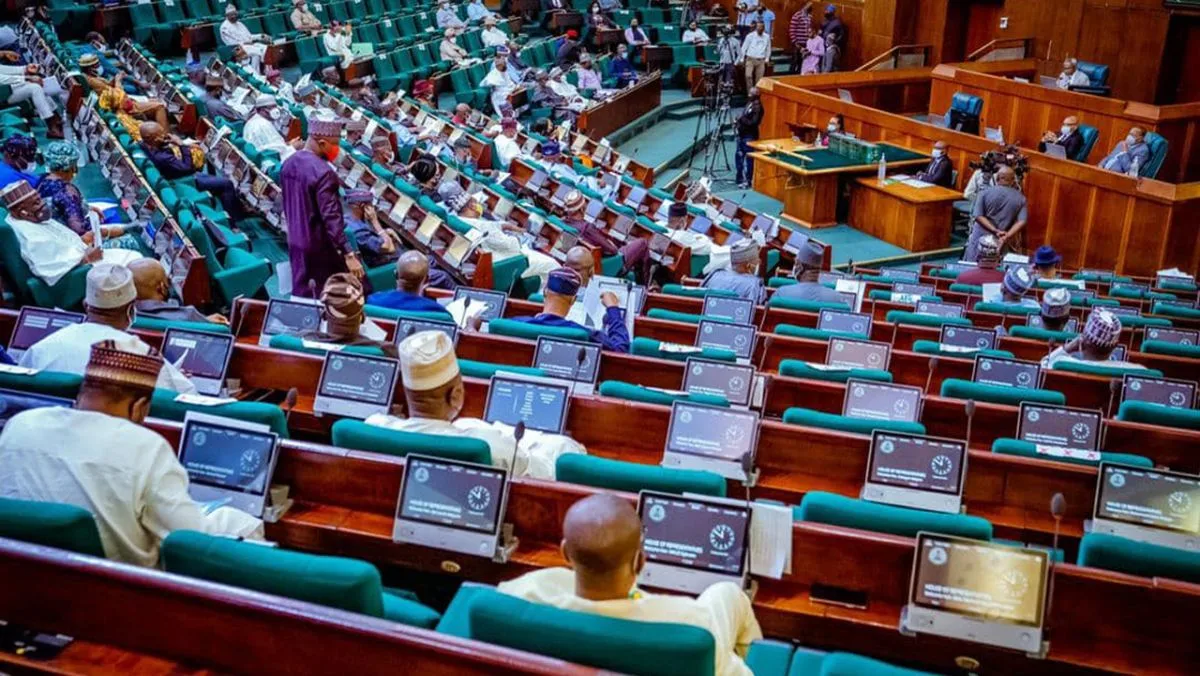
The House of Representatives on Tuesday resolved to investigate the human and economic losses suffered by Nigerians in repeated xenophobic attacks in the Republic of South Africa, citing years of killings, destruction of businesses, forced displacement and growing anti-foreigner campaigns targeting African migrants.
The move is aimed at laying the groundwork for compensation, stronger diplomatic engagement and improved protection for Nigerian citizens living outside the country.
The resolution followed the adoption of a motion sponsored by the member representing Ikorodu Federal Constituency, Lagos State, Babajimi Benson, who argued that despite years of violent attacks against Nigerians, there has never been a comprehensive assessment of the casualties, property losses and economic damage suffered by victims.
Presenting the motion, Benson recalled Nigeria’s role in the struggle against apartheid, saying the country made enormous diplomatic, financial and political sacrifices to support South Africa’s liberation.
He said, “Nigeria remains one of the foremost architects of South Africa’s liberation, having committed enormous diplomatic, financial and political resources towards the dismantling of apartheid, including sustained advocacy at the United Nations, the Commonwealth and the Organisation of African Unity, establishment of the Southern African Relief Fund, educational scholarships for South Africans and the imposition of economic sacrifices on its own citizens in support of the struggle for freedom.”
The lawmaker lamented that despite the longstanding relationship, Nigerians legally resident in South Africa have continued to face recurring waves of xenophobic violence for nearly two decades.
“Nigerians residing lawfully in the Republic of South Africa have, for nearly two decades, remained recurrent targets of xenophobic violence characterised by killings, mob attacks, physical assaults, arson, looting of businesses, destruction of properties, forced displacement, intimidation and hate campaigns principally directed at African migrants,” the lawmaker said.
Benson noted that major outbreaks of xenophobic violence were recorded in 2008, 2015, 2017, 2019 and 2021, with each episode triggering diplomatic tensions between Nigeria and South Africa, emergency evacuations of Nigerian citizens and renewed assurances by the South African government to prevent a recurrence.
He further expressed concern over what he described as the resurgence of organised anti-foreigner campaigns in South Africa.
He said, “The recent resurgence of coordinated anti-foreigner campaigns and inflammatory rhetoric by groups such as Operation Dudula and similar organisations created widespread fear amongst Nigerian residents, with many reportedly abandoning homes, businesses and investments while seeking emergency evacuation following threats and unlawful ultimatums issued against foreign African nationals.”
The lawmaker said that although previous sessions of the National Assembly had condemned the attacks and called for diplomatic action, no comprehensive legislative inquiry had been conducted to determine the actual number of Nigerians killed, injured or displaced, or the full extent of economic losses suffered over the years.
Supporting the motion, Paschal Agbodike (APC, Anambra) urged the federal government to consider compensation for Nigerians who returned home after losing everything during the attacks.
“I’m looking at how to compensate those who have been repatriated from South Africa because I watched video clips showing where South African citizens looted the properties of Nigerians immediately after they left the country,” he said.
“It means their target was the businesses of our people. I’m from the South-east geopolitical zone, and many of my people are affected. They are calling on the Nigerian Government to assist them because they returned home empty-handed.
“Our people are law-abiding, and we must ensure such incidents do not happen again. That is why I am passionate about this motion,” Mr Agbodike said.
Responding, Speaker Abbas Tajudeen, who presided over the plenary, urged the lawmaker to actively participate in the committee’s work once the investigation begins.
“I understand. Once this is referred to the relevant committees, I would want to see you being active in whatever deliberation will take place at the committee level,” the speaker said.
Following the debate, the House adopted the motion and mandated its Committees on Diaspora and Foreign Affairs to investigate the losses, damages and casualties suffered by Nigerians during previous and recent xenophobic attacks in South Africa.
The committees were also directed to compile an inventory of properties abandoned by Nigerians as a result of the violence and recommend diplomatic initiatives, legal mechanisms and bilateral engagements to ensure accountability for perpetrators, strengthen the protection of Nigerians residing in South Africa and promote compliance with international human rights obligations.
The House gave the committees four weeks to submit their report for further legislative action.
The motion was also referred to the House Committee on the Nigeria-South Africa Parliamentary Group.

