



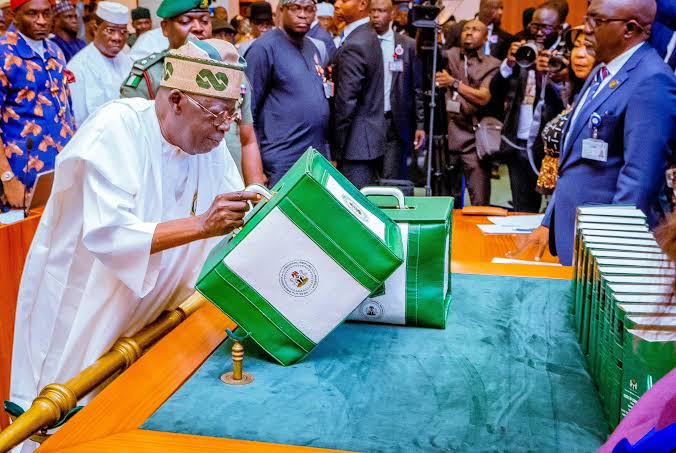
The budget presentation is expected to highlight the administration’s priorities, projected spending plans, and key policies aimed at driving economic growth and addressing some of the major challenges facing Nigerians.
The annual budget remains a significant part of Nigeria’s economic planning process as it determines how government resources will be distributed across critical sectors such as infrastructure, security, education, healthcare, agriculture, and social development.
Ahead of the presentation, Nigerians, businesses, and economic stakeholders are eagerly awaiting details of the proposed budget, particularly at a time when the country continues to experience economic pressures, including rising living costs, inflation, and concerns over job opportunities.
The Tinubu administration has repeatedly stated that its economic agenda is focused on improving revenue generation, attracting investment, strengthening public finances, and creating a more productive economy. The 2026 budget is expected to provide a clear direction on how these goals will be achieved.
Economic experts believe the proposal will offer insight into the government’s plans for managing the economy and tackling issues affecting citizens and businesses.
Infrastructure development is expected to remain one of the major priorities of the budget, with continued attention likely to be given to road construction, transportation systems, energy projects, and other essential facilities.
Stakeholders have consistently identified infrastructure improvement as a key factor in reducing business costs, encouraging investment, and improving economic activities across the country.
The power sector is also expected to receive attention as Nigeria continues efforts to address electricity challenges affecting homes and businesses. Increased investment in energy infrastructure is considered necessary to support industrial development and improve the quality of life for citizens.
Security funding is another area expected to attract attention during the budget process. With ongoing concerns over insecurity in different parts of the country, many Nigerians are looking forward to increased support for security agencies and strategies aimed at protecting lives and property.
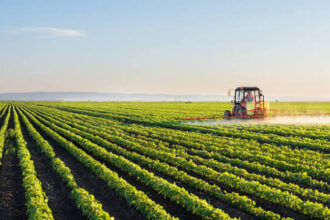
Agriculture is also likely to feature prominently in the proposed budget as the government continues efforts to boost food production and address rising food prices. Increased support for farmers, improved agricultural technology, irrigation projects, and better storage facilities are among the measures experts believe could strengthen the sector.
The education and healthcare sectors are also expected to receive significant consideration. Citizens have continued to demand better learning environments, improved healthcare services, and stronger investment in human development.
Business owners and investors will also be watching closely for policies that may affect taxation, regulations, and the overall business environment. Many stakeholders are hoping the budget will introduce measures that encourage entrepreneurship, expand opportunities, and support economic growth.
However, analysts note that the success of any budget depends largely on effective implementation. They argue that proper monitoring, accountability, and efficient management of public funds are necessary to ensure that budget promises translate into real development.
Previous budgets have often faced challenges related to delayed implementation, abandoned projects, and difficulties in releasing allocated funds. As a result, many Nigerians are calling for greater transparency in the execution of the 2026 budget.
The National Assembly will be responsible for reviewing the proposal after its presentation. Lawmakers are expected to examine government spending plans, revenue projections, and sectoral allocations before approving the final document.
Budget discussions usually generate widespread debate among politicians, economic experts, civil society organisations, and members of the public, especially regarding whether government priorities reflect the needs of ordinary citizens.
The 2026 budget comes at a crucial period as Nigerians continue to seek relief from economic hardship and improved living conditions. Many citizens expect the government’s financial plan to focus on job creation, affordable services, and policies that can improve purchasing power.
Government officials have maintained that ongoing economic reforms are designed to strengthen the country’s financial system, attract investment, and create a foundation for sustainable growth.
As preparations continue for the budget presentation, expectations remain high that the proposed financial plan will address immediate challenges while providing long-term solutions for Nigeria’s economic development.
The announcement of the 2026 budget proposal will give Nigerians a clearer understanding of the government’s priorities and how it intends to use national resources to improve the economy and support citizens.

