



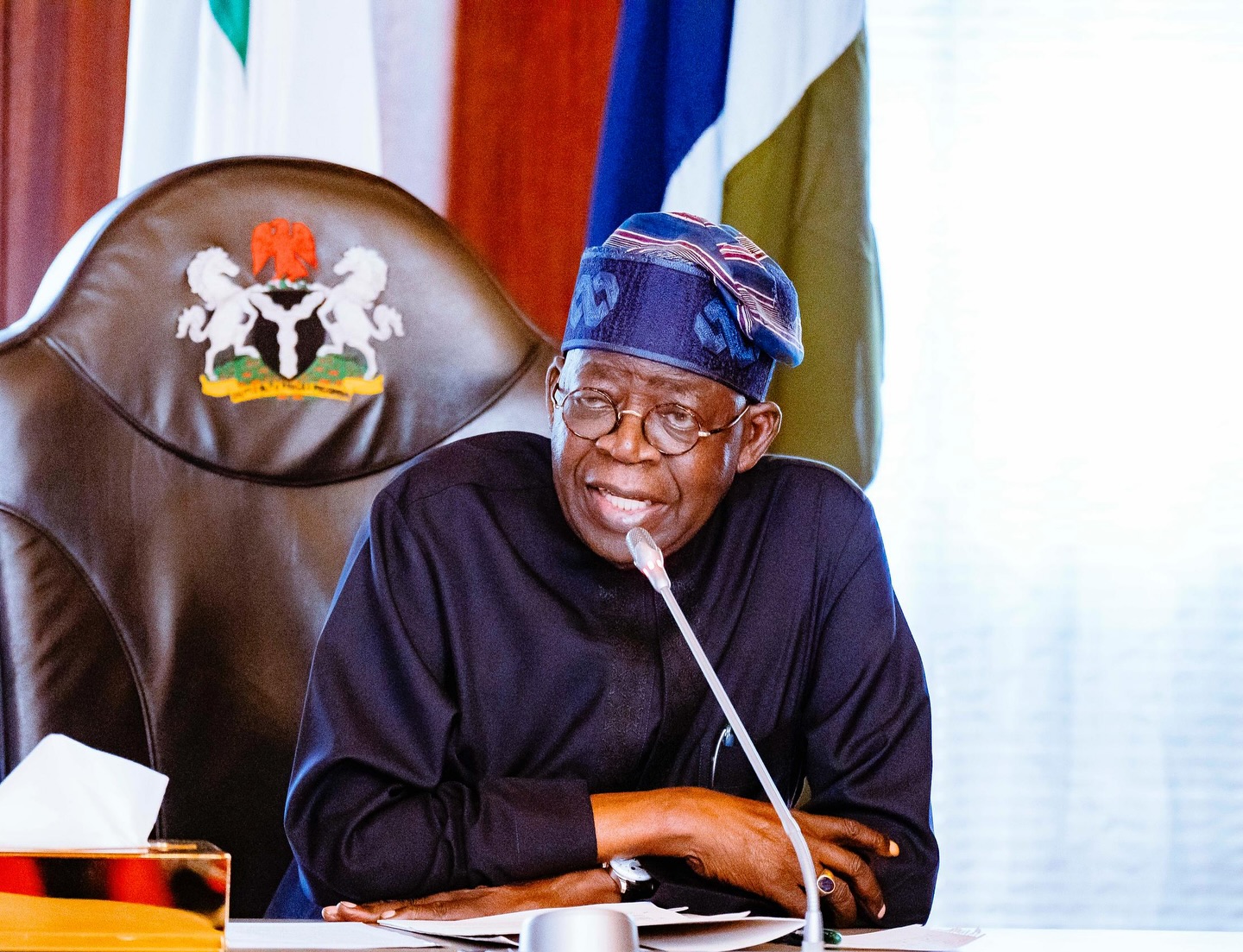
President Bola Ahmed Tinubu has approved the creation of a Presidential Petroleum Reform and Value Optimisation Taskforce as part of efforts to accelerate structural changes in Nigeria’s oil and gas industry. The initiative is aimed at strengthening governance within the petroleum sector, improving transparency, attracting investment, and positioning the country as a more competitive global energy destination.
The task force has been constituted as a high-level, time-bound executive working group responsible for designing and coordinating the next phase of reforms in the petroleum industry. It will develop practical strategies that can consolidate ongoing reforms while unlocking the economic potential embedded within Nigeria’s vast petroleum resources.
To lead the initiative, the president appointed Fola Adeola, a respected banker and entrepreneur known for co-founding Guaranty Trust Bank and establishing the Fate Foundation. As chairman of the task force, Adeola will coordinate the work of the team and ensure that the group delivers its recommendations within the stipulated timeline.
The task force also includes several experienced professionals drawn from the financial, energy, and corporate sectors. Members include Ademola Adeyemi-Bero, Osagie Okunbor, Abubakar Suleiman, Adaeze Aguele, Farouk Gumel, Phillipa Osakwe-Okoye, and Seyi Bella. The position of secretary will be held by Mofoluwasho Fadayomi, who will oversee documentation and administrative coordination for the task force.
According to the presidency, the task force will function primarily as a technical reform body rather than a representative committee. Its main focus will be to design actionable policy frameworks and implementation strategies that can be adopted by the government to strengthen the petroleum industry. While the group will engage with stakeholders such as industry operators, regulators, investors, and civil society organisations, its central responsibility will remain the development of reform blueprints that can be executed within a realistic timeframe.
The task force will report directly to the president and will provide regular updates on its progress. Members are expected to submit monthly memoranda outlining developments and challenges encountered during the reform process. In addition, the team will present an interim report three months after its inauguration, followed by a comprehensive final report within six months.
The reform initiative will focus on the development of three major policy blueprints designed to reshape Nigeria’s petroleum sector. The first deliverable is an implementation toolkit aimed at addressing immediate structural challenges in the industry. This toolkit will include draft legislative amendments, executive instruments, and proposals for institutional restructuring where necessary. The goal is to ensure that regulatory frameworks, operational structures, and government policies align with the objectives of modern energy governance.
The second blueprint will focus on unlocking investment and liquidity within the sector. Known as the Capital and Liquidity Acceleration Blueprint, the plan seeks to mobilise between five billion and ten billion dollars in sectoral liquidity. By improving investor confidence and reducing operational barriers, the strategy is expected to stimulate both domestic and international investment in exploration, production, refining, and other value-chain activities within the petroleum industry.
The third deliverable will be a comprehensive National Energy Transformation Strategy. This strategy will outline a ten-year roadmap for Nigeria’s energy sector, setting measurable targets for oil and gas production, foreign exchange earnings, and overall contribution to national economic growth. The roadmap will also examine ways to improve cost competitiveness and ensure that Nigeria remains relevant in an evolving global energy market that is increasingly focused on sustainability and efficiency.
As part of the reform process, President Tinubu has directed all relevant ministries, departments, agencies, and regulatory bodies to provide full technical support to the task force. These institutions are expected to submit detailed inventories of their ongoing initiatives and reform programmes in order to ensure that existing efforts align with the work of the newly established body.
The president has also instructed that all committees, working groups, and teams previously created under different reform initiatives in the petroleum sector must align their activities with the new task force. This directive is intended to eliminate duplication of responsibilities, improve coordination, and ensure that all reform efforts move in the same strategic direction.
In addition, relevant institutions have been directed to make available all documentation, institutional knowledge, and ongoing project data that could assist the task force in developing its recommendations. By pooling available information and expertise, the administration hopes to create a more coherent and efficient reform framework for the petroleum sector.
The establishment of the task force reflects the administration’s broader ambition to transform Nigeria’s petroleum industry into a more transparent, efficient, and globally competitive sector. For decades, the oil and gas industry has served as a central pillar of Nigeria’s economy, generating a significant portion of government revenue and foreign exchange earnings. However, challenges such as regulatory uncertainty, underinvestment, and governance issues have often limited the sector’s full potential.
Through the new task force, the government aims to accelerate reforms that will strengthen governance structures, optimise national energy assets, and create a more attractive environment for investors. The initiative is also expected to support broader economic goals, including macroeconomic stability, industrial development, and long-term economic resilience.
Once the task force completes its work and submits its final report to the president, it will automatically dissolve. The recommendations contained in the report are expected to guide the next phase of policy decisions and reforms within Nigeria’s petroleum sector, potentially shaping the future of the industry for years to come.
Top Society Reports