






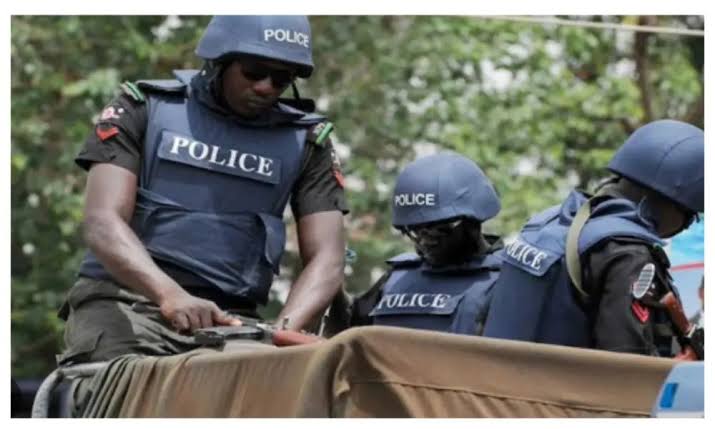
Ten Nigerian police officers have been killed in a fierce gunbattle with a heavily armed group in northern Nigeria, in another deadly confrontation highlighting the continuing security challenges confronting communities and security personnel in the region.
The incident occurred on Monday in Sakaba Local Government Area of Kebbi State, close to the border with Zamfara State. According to authorities, security personnel engaged a large group of armed men, resulting in a prolonged exchange of gunfire and significant casualties on both sides. The confrontation left 10 police officers dead, while 17 suspected bandits were also killed. Two civilians reportedly lost their lives in the violence, while two other police officers sustained injuries.
The latest incident has renewed concerns over the security situation in Nigeria’s northwestern region, where bandit groups have continued to operate across difficult and remote terrain. States including Kebbi, Zamfara, Katsina and Kaduna have experienced repeated attacks, kidnappings and clashes involving armed groups.
According to reports, the security forces encountered a large group of armed men who were moving through the area. The group was reportedly heavily armed, leading to a fierce confrontation with police personnel deployed to the area.
The exact circumstances that led to the encounter are still being reported, but authorities confirmed that the clash became intense, resulting in the deaths of several officers and suspected bandits.
The death of 10 police officers represents a major loss for Nigeria’s security architecture. Police officers deployed to communities affected by banditry frequently operate under extremely difficult conditions, often facing armed groups equipped with sophisticated weapons and operating in remote locations.
The incident also demonstrates the dangers faced by civilians living in areas affected by persistent insecurity. Two civilians were reportedly killed during the confrontation, showing how communities can become caught between security operations and attacks by armed groups.
Sakaba and other parts of Kebbi State have experienced security problems in previous years. The area’s difficult terrain and proximity to Zamfara have made security operations particularly challenging. Research on insecurity in Kebbi has previously identified the forested and hilly areas of Sakaba as locations where armed groups have been able to operate and carry out attacks.
For residents, the presence of armed groups creates a constant atmosphere of fear. Communities in affected areas have faced the threat of kidnapping, attacks on villages, destruction of property and disruption of economic activities.
Farmers are particularly vulnerable because many depend on access to rural areas for their livelihoods. Persistent insecurity can prevent farmers from reaching their farms, potentially affecting food production and household incomes.
The latest clash also comes against the backdrop of wider efforts by Nigerian security agencies to tackle banditry and other forms of violent crime across the country.
Security forces have continued to conduct operations against armed groups, particularly in the northwest and northeast. These operations have included patrols, raids, intelligence-led interventions and efforts to rescue kidnapped victims.
However, the continued occurrence of deadly clashes suggests that significant challenges remain. Armed groups have demonstrated the ability to move through remote areas and, in some cases, mobilise large numbers of fighters.
The loss of 10 police officers could also raise fresh questions about the equipment, intelligence and operational support available to personnel working in high-risk areas.
Police officers operating in areas affected by banditry are often expected to protect communities, respond to distress calls and confront heavily armed groups. When security personnel themselves become targets or suffer heavy casualties, it can create additional pressure on already stretched security resources.
The authorities will now face the task of determining how the armed group was able to operate in the area and whether further security measures are required to prevent another confrontation.
The incident also highlights the importance of intelligence gathering. Security agencies need accurate information about the movement and activities of armed groups to enable them to respond before attacks occur.
Improved cooperation between the police, military, intelligence agencies and local communities could help security personnel identify threats earlier. Local residents often have information about unfamiliar movements and suspicious activities, but effective mechanisms are required to ensure such information reaches authorities safely.
The use of motorcycles and remote forest routes by armed groups has also complicated efforts to track them. The difficult geography of many communities in the northwest provides opportunities for criminals to hide and move between states.
The situation has wider economic implications. Insecurity can discourage investment, restrict agricultural activities and force residents to abandon their homes. Businesses operating in affected communities may also face reduced activity because customers and workers become reluctant to travel.
The human cost, however, remains the most immediate concern.
The families of the 10 police officers killed in the Kebbi clash are now facing the consequences of the tragedy. Their deaths are a reminder of the personal sacrifices made by security personnel working in dangerous environments.
The two civilians who died in the confrontation also represent another layer of the tragedy. Civilians living in communities affected by armed violence often have little control over the circumstances that place them at risk.
The authorities are expected to continue security operations in the area following the clash and work to prevent surviving members of the armed group from regrouping.
The incident may also intensify calls for stronger measures against banditry in the northwest. Residents and community leaders have repeatedly called for increased security presence, better intelligence and more effective intervention in vulnerable communities.
While military and police operations remain important, experts and stakeholders have frequently argued that security measures need to be accompanied by broader interventions addressing the conditions that allow criminal groups to thrive.
Strengthening rural infrastructure, improving access to education and employment, supporting vulnerable communities and ensuring that agricultural activities can continue safely could form part of a broader strategy to reduce insecurity.
The government must also ensure that security personnel receive adequate training, equipment and welfare support. Police officers deployed to dangerous locations require the resources necessary to respond effectively to heavily armed groups while protecting civilians.
The deaths in Kebbi therefore represent more than an isolated security incident. They are part of a broader pattern of violence that continues to affect Nigeria’s northwest.
As authorities investigate Monday’s confrontation, attention will remain focused on whether further security operations can prevent armed groups from regrouping and whether communities in the affected areas can receive greater protection.
For now, the deaths of 10 police officers, 17 suspected bandits and two civilians underline the continuing human cost of insecurity in northern Nigeria. The incident serves as another urgent reminder that efforts to restore lasting peace in the region must combine effective security operations with measures aimed at protecting livelihoods, strengthening communities and addressing the conditions that enable armed criminal networks to survive.
The latest confrontation has once again placed the security situation in northwestern Nigeria under scrutiny, with residents and families of the victims left hoping that stronger action will prevent similar bloodshed from occurring again.

