


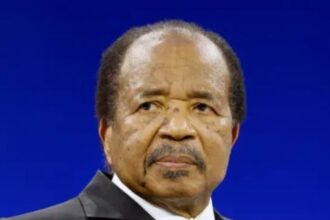




A prominent opposition figure has declared that efforts to rescue and rebuild Nigeria must begin at the grassroots level, pointing specifically to the upcoming Federal Capital Territory (FCT) area council elections as the starting point for national renewal. Speaking at a political gathering attended by party loyalists, youth groups, and civil society supporters, the former vice president emphasized that meaningful change cannot be imposed solely from the top but must grow from local governance structures that directly impact citizens’ daily lives.
According to him, rebuilding the country requires restoring accountability, transparency, and efficiency within local councils. He argued that area councils are the closest tier of government to the people, overseeing essential services such as primary education, basic healthcare, sanitation, rural road maintenance, markets, and community development initiatives. When these institutions function effectively, he said, citizens experience governance in practical and visible ways.
The Federal Capital Territory occupies a unique position in Nigeria’s political structure. As the administrative seat of government located in Abuja, it carries symbolic and strategic significance. Elections in the FCT are often interpreted as indicators of broader national political sentiment. Analysts note that voting patterns in the capital can influence perceptions of momentum, particularly as political parties position themselves ahead of larger national contests.
The opposition leader stressed that transparent and credible council elections would serve as a foundation for rebuilding public confidence in democratic institutions. He warned that voter apathy and disillusionment threaten the country’s democratic future, urging residents to actively participate in shaping local leadership. According to him, citizens must recognize that local elections are not minor events but critical exercises that determine how communities are managed.
Political observers suggest that local government elections offer political parties valuable opportunities to test campaign strategies, refine messaging, and strengthen grassroots networks. Performance at the council level can significantly shape narratives ahead of national elections. A strong showing in the FCT could energize supporters, attract undecided voters, and reshape alliances within the broader political landscape.
The ruling party has responded by reiterating its commitment to credible and peaceful polls. Party representatives have urged voters to evaluate candidates based on competence, service records, and policy proposals rather than emotional appeals. They maintain that performance at the local level should be judged by tangible achievements in infrastructure development, sanitation services, and social programs.
Security agencies have also pledged to maintain order during the electoral process. In recent years, Nigeria has faced concerns over election-related tensions in certain regions, although the FCT has generally maintained relative stability. Authorities say adequate security planning, voter education campaigns, and coordination among stakeholders are in place to ensure smooth conduct of the elections.
Civic organizations continue to intensify voter education efforts across the six area councils within the FCT. Advocacy groups are encouraging peaceful participation and warning against misinformation, which has increasingly spread through social media platforms. Community leaders are organizing town hall meetings to inform residents about voting procedures and the importance of selecting capable representatives.
Observers note that strong local governance can significantly enhance service delivery and reduce pressure on federal institutions. When councils effectively manage waste disposal, maintain primary schools, and improve health centres, citizens experience immediate improvements in quality of life. Conversely, weak local leadership often results in neglected infrastructure, uncollected refuse, and deteriorating community facilities.
The broader debate surrounding the FCT elections reflects Nigeria’s continuing effort to deepen democratic culture. While presidential and gubernatorial elections often dominate headlines and attract international attention, local polls frequently determine the everyday realities of citizens. Decisions made at the council level influence market operations, housing regulations, community safety initiatives, and youth empowerment programs.
For many residents of the FCT, practical concerns such as water supply, drainage systems, and road maintenance are more pressing than high-level political rhetoric. This reality underscores the argument that national renewal must begin where governance directly touches the people.
As preparations for the elections intensify, political parties are ramping up grassroots mobilization campaigns. Posters, rallies, and door-to-door engagements are increasingly visible across communities. Independent observers are expected to monitor the process, further reinforcing calls for transparency.
Ultimately, the FCT council elections may serve as more than a routine democratic exercise. They could function as a political barometer, signaling public appetite for continuity or change. Whether viewed as a strategic testing ground or a symbolic starting point for broader reform, the outcome is likely to influence Nigeria’s evolving political trajectory.
If voter participation is high and the process is widely perceived as credible, it could strengthen democratic confidence nationwide. Conversely, controversies or irregularities could reignite debates about electoral reform and governance standards. In that sense, the call for national renewal beginning at the grassroots reflects a broader recognition that democracy’s strength depends not only on federal leadership but also on the vitality of local institutions.

