




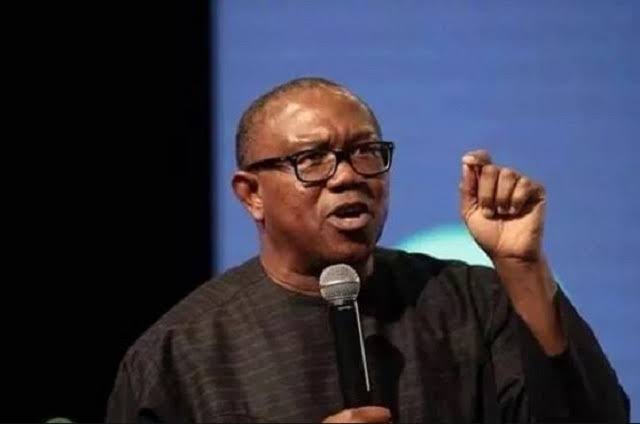
The recent political gathering in Abuja involving Peter Obi and Rabiu Musa Kwankwaso has been widely described as a protest against decisions by the Independent National Electoral Commission (INEC).
But beyond the headlines, the event reflects a deeper shift in Nigeria’s political environment. It is less about a single protest and more about how opposition politics is beginning to reorganize itself ahead of the 2027 elections.
At the center of this development are Peter Obi and Rabiu Musa Kwankwaso. Both are influential politicians with large followings, but they come from different political backgrounds and regions. Obi has strong support among young people, especially in urban areas, while Kwankwaso has a solid grassroots structure in Northern Nigeria. Their coming together in a political setting like this signals a possible effort to build a stronger opposition platform.
The protest itself was directed at the Independent National Electoral Commission over decisions that opposition figures believe affect the internal structure of political parties.
According to them, these decisions could weaken party competition and reduce fairness in the electoral process. INEC, however, maintains that it is simply enforcing the rules that guide political parties in Nigeria.
While the protest focused on INEC, the bigger issue is trust in Nigeria’s political system. Many opposition leaders and supporters feel that electoral institutions must be more transparent and consistent. This concern is not new, but it has become more visible as the country moves closer to the next election cycle.
Another key issue is the growing talk of political alliances. There have been ongoing discussions among opposition figures about working together to challenge the ruling party in 2027. The presence of Obi and Kwankwaso in the same political space adds weight to these discussions. It suggests that opposition leaders are beginning to consider unity as a serious option rather than just a political idea.
However, building such unity is not simple. Both men have strong individual support bases and different political styles. Bringing these groups together would require agreement on leadership, structure, and shared goals. These are difficult issues that often determine whether political alliances in Nigeria succeed or fail.
The reaction from the public has been mixed. Some Nigerians see the involvement of Obi and Kwankwaso as a positive step toward stronger opposition politics. They believe it could lead to more balance in the political system. Others are more cautious, arguing that political alliances often break down due to internal disagreements and personal ambition.
Security agencies have continued to monitor the situation to ensure that protests remain peaceful. So far, there have been no major reports of violence, but authorities remain alert due to Nigeria’s history with protest movements.
Beyond politics, the situation reflects wider challenges in the country. Nigeria is currently dealing with economic pressure, including inflation and high living costs. For many citizens, political events like this are closely linked to their everyday struggles. Opposition leaders often argue that better governance and fair elections are necessary to address these economic issues.
The involvement of Peter Obi and Rabiu Musa Kwankwaso in the protest has therefore become more than just a reaction to INEC decisions. It is part of a larger conversation about the future of opposition politics in Nigeria. It shows that political leaders are beginning to explore new ways of working together, even if the path forward is still uncertain.
As the country moves toward the next election cycle, these developments will likely continue. Whether this leads to a strong opposition alliance or not will depend on how well these political relationships are managed over time.

