






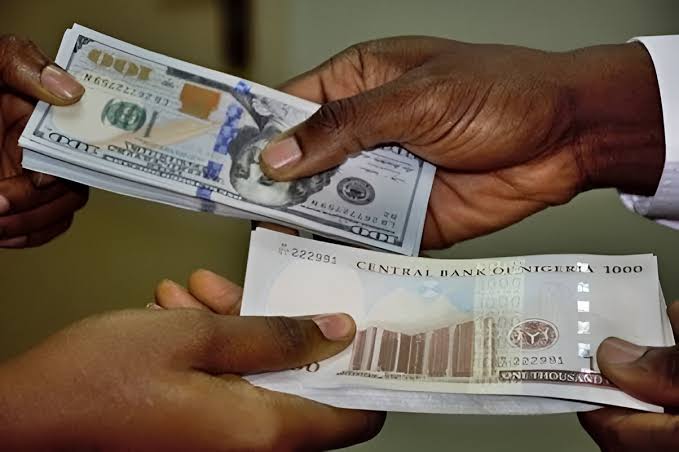
The Nigerian Naira opened the trading week with encouraging signs of stability and modest gains against the U.S. dollar, offering a breath of fresh air for businesses, importers, and everyday consumers. After weeks of volatility in the foreign exchange market, this shift signals renewed confidence and potential improvements in the country’s economic landscape.
At the start of trading on Monday, the Naira strengthened marginally compared to its value in the previous week. Currency traders and financial analysts pointed to increased liquidity in the foreign exchange market and improved investor sentiment as key factors behind this positive movement. These developments suggest that efforts by monetary authorities to support the local currency may be having a stabilizing effect.
One important factor contributing to the Naira’s performance is the ongoing inflow of foreign exchange into the banking system, which has helped ease pressure on dollar demand.
Importers who previously struggled to access dollars at official rates are now reporting more availability, reducing the gap between official and parallel market rates. This narrowing gap often reflects better market confidence and reduced speculative trading.
Financial experts believe that sustained gains in the Naira could help ease inflationary pressures on prices of goods and services. When the local currency weakens sharply, the cost of importing essentials such as fuel, food, and medical supplies rises, contributing to higher living costs. A more stable exchange rate, even if gradually improving, can help slow the pace of price increases and provide some relief to consumers.
Businesses, particularly those operating in sectors heavily reliant on imported raw materials, are watching these developments closely. Improved currency stability can reduce production costs and support more predictable budgeting and planning, which is especially crucial for manufacturers and industrial firms.
However, analysts caution that while the early gains are encouraging, maintaining this trend will depend on continued market support and broader economic reforms.
Policymakers may need to address structural issues such as foreign exchange scarcity, inflation control, and measures to boost domestic production to ensure long-term currency strength.
For now, the positive start to the week provides a hopeful outlook, reminding markets and citizens alike that progress is possible with coordinated economic policies. As the trading week progresses, investors and traders will be closely monitoring how the Naira performs against global currencies, particularly the U.S. dollar, to gauge the durability of this momentum.
In summary, the Nigerian Naira’s improved performance against the U.S. dollar at the opening of the week is a welcome development, reflecting growing market confidence and offering potential relief for consumers and businesses alike. Continued attention to economic fundamentals will be key to sustaining these gains.

