



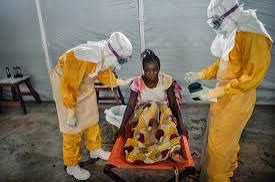
The Nigeria Centre for Disease Control and Prevention (NCDC) has warned Nigerians against relying on unverified home remedies for Ebola Virus Disease, stressing that substances such as bitter kola, salt water, herbs, and seasoning cubes cannot prevent or cure the deadly infection.
In a public health advisory made available to newsmen, the agency cautioned that the spread of false claims and homemade remedies could worsen panic and undermine public health response efforts amid renewed concerns over Ebola outbreaks in parts of sub-Saharan Africa.
The advisory, titled ‘Ebola Virus Disease (EVD): Myths vs Facts’, was issued to counter growing misinformation circulating online following recent cases recorded in countries including the Democratic Republic of Congo (DRC) and Uganda.
Although Nigeria has not recorded any confirmed Ebola case, the agency said the country remains on alert because of increased cross-border movement and international travel linked to affected regions.
Responding to claims on social media suggesting that substances such as salt water, bitter kola, herbs and seasoning cubes can prevent or cure Ebola, the NCDC asserted that such remedies have no scientific basis.
“There is currently no approved home remedy for Ebola virus disease. Early reporting, supportive medical care, and strict infection prevention and control measures are critical. Avoid self-medication and seek care promptly if symptoms develop.
“Although no case has been confirmed in Nigeria, outbreaks in the region require vigilance, preparedness, and responsible public health behaviour to reduce the risk of importation and transmission,” it stated.
The advisory urged Nigerians to prioritise preventive measures such as regular hand hygiene, avoiding contact with bodily fluids of sick persons, and promptly reporting unusual illnesses to health authorities.
The NCDC also warned Nigerians against spreading unverified health claims, noting that misinformation could trigger confusion and weaken public trust during disease outbreaks.
“Sharing unverified information can create panic and confusion. Members of the public are advised to rely only on updates from official public health authorities and credible sources,” the advisory added.
Public health experts have repeatedly warned that reliance on unproven remedies during disease outbreaks often delays proper treatment and increases the risk of transmission.
The warning has revived memories of Nigeria’s 2014 Ebola outbreak, when rumours about salt-water baths and bitter kola consumption flooded communities after the virus entered the country through an infected traveller from Liberia.
At the time, health authorities dismissed the claims after reports emerged that some Nigerians consumed excessive amounts of salt water in desperate attempts to avoid infection, leading to health complications in some cases.
Nigeria was eventually lauded globally for successfully containing the 2014 Ebola outbreak through aggressive contact tracing, rapid isolation of suspected cases, public awareness campaigns, and coordinated emergency response measures.