



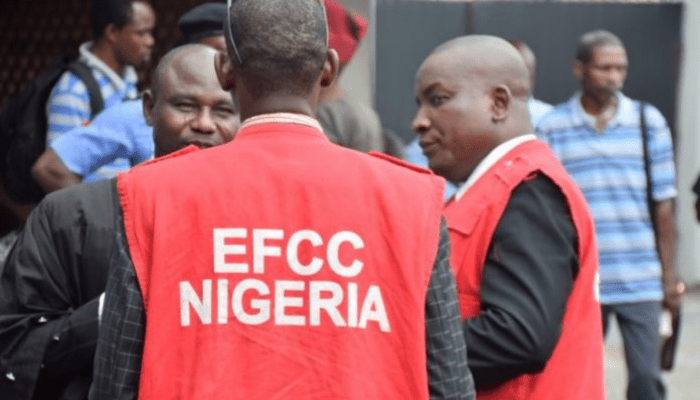
A fresh wave of concern has emerged over the death of a teenager in Benue State, with prominent human rights lawyer Marshal Abubakar demanding an independent investigation into the incident and calling for urgent reforms within the Economic and Financial Crimes Commission (EFCC).
The case has drawn national attention following conflicting accounts surrounding the circumstances that led to the teenager’s death. While authorities have provided their version of events, family members, witnesses and rights advocates have continued to raise questions, insisting that a transparent and impartial inquiry is necessary to uncover the truth.
Abubakar argued that public confidence in Nigeria’s justice system can only be preserved through a thorough investigation conducted by an independent body. According to him, allowing an external panel to examine the evidence would help eliminate doubts and ensure that all parties involved are held accountable if wrongdoing is established.
The lawyer noted that incidents involving young Nigerians and security agencies often generate deep public concern, making transparency essential. He stressed that the pursuit of justice should never be compromised and that every citizen, regardless of age or background, deserves equal protection under the law.
Beyond the immediate tragedy, the legal practitioner used the opportunity to renew calls for institutional reforms within the EFCC. He said the anti-graft agency plays a critical role in combating corruption and financial crimes, but must also ensure that its operations consistently respect constitutional rights and due process.
According to him, concerns about arrest procedures, detention practices and the treatment of suspects have continued to surface in public discourse. He maintained that reforms aimed at strengthening accountability and protecting civil liberties would enhance the credibility of the commission and improve public trust in its activities.
Abubakar further emphasized that effective law enforcement and respect for human rights should not be viewed as competing objectives. Rather, he argued that both principles must work together to create a justice system that is fair, transparent and respected by citizens.
The controversy has reignited wider debates about oversight of law enforcement agencies across the country. Civil society groups and legal advocates have repeatedly called for stronger mechanisms to investigate allegations of misconduct, particularly in cases involving fatalities or alleged abuses of power.
Many observers believe the outcome of the case could influence future conversations about accountability within Nigeria’s security and anti-corruption institutions. They argue that a transparent investigation would not only provide answers for the affected family but could also contribute to broader reforms designed to strengthen public confidence in government agencies.
As discussions continue, attention remains focused on the demand for an independent probe and the possibility of policy changes within the EFCC. For supporters of reform, the case represents an opportunity to reinforce the principles of justice, transparency and accountability that form the foundation of a democratic society.
With calls for action growing louder, many Nigerians are hoping that the investigation will provide clarity, establish the facts surrounding the incident and ensure that any lessons arising from the case contribute to meaningful institutional improvements in the future.