






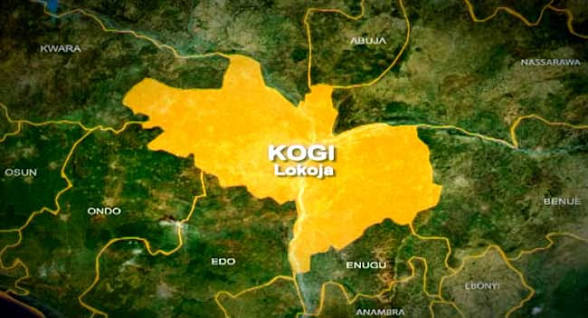
The Federal Capital Territory High Court in Abuja has rejected an application filed by former Kogi State Governor Yahaya Bello seeking to stop his ongoing trial over an alleged ₦110.4 billion fraud case, clearing the way for proceedings to continue.
The ruling marks another significant moment in the high-profile case that has drawn widespread attention across the country. Bello had approached the court, asking it to strike out the charges against him and declare that it lacked the jurisdiction to hear the matter. His legal team argued that the charges should not proceed and urged the court to terminate the case.
However, after considering the arguments presented by both parties, the court dismissed the application and ruled that the trial should continue. The decision means that prosecutors will be allowed to proceed with presenting evidence and witnesses in support of the allegations against the former governor.
The case centers on allegations that large sums of public funds were unlawfully diverted during Bello’s time as governor of Kogi State. Prosecutors have accused him and other defendants of involvement in financial transactions that allegedly resulted in the misappropriation of government resources. Bello has consistently denied the allegations and maintains that he is innocent of all charges.
His legal team had argued that the court lacked the authority to hear the case, insisting that certain aspects of the charges did not fall within the jurisdiction of the FCT High Court. The defence also raised concerns about legal procedures and questioned the basis upon which the charges were filed.
The prosecution, however, maintained that the court was properly empowered to hear the matter and argued that the charges were validly brought before it. According to prosecutors, the allegations involve transactions and activities connected to locations within the Federal Capital Territory, giving the court the necessary authority to handle the case.
In delivering its ruling, the court sided with the prosecution and held that the arguments raised by the defence were insufficient to stop the proceedings. The judge ruled that the application lacked merit and affirmed the court’s jurisdiction over the case.
The decision was welcomed by observers who believe that corruption allegations involving public officials should be thoroughly examined through the judicial process. Many see the ruling as an indication that the court intends to focus on the substance of the allegations rather than preliminary objections.
The trial has already witnessed the presentation of several witnesses and documentary evidence. Investigators and financial experts have appeared before the court to provide testimony regarding transactions linked to the allegations. Additional witnesses are expected to testify as the proceedings continue.
Legal analysts note that jurisdictional challenges are common in major criminal cases, particularly those involving public office holders. Such applications are often used to test whether a court has the legal authority to hear a matter before a full trial proceeds. In this instance, the court concluded that it was properly constituted to continue hearing the case.
For Bello, the ruling represents a setback in his efforts to have the charges dismissed before the completion of the trial. Nevertheless, legal experts emphasize that the dismissal of the application does not amount to a finding of guilt. The former governor remains presumed innocent under the law until the court reaches a final verdict based on the evidence presented.
Supporters of the former governor have continued to express confidence that he will successfully defend himself against the allegations. They insist that the charges are unfounded and argue that the judicial process should be allowed to run its course without prejudice.
On the other hand, advocates of accountability and transparency have welcomed the court’s decision, saying it reinforces the principle that allegations involving public funds deserve careful examination. They argue that allowing the case to proceed will provide an opportunity for all parties to present their evidence before the court reaches a final determination.
As the legal battle continues, attention will remain focused on the courtroom, where both the prosecution and defence are expected to intensify their efforts. Prosecutors will seek to establish the allegations beyond reasonable doubt, while the defence will challenge the evidence and maintain Bello’s innocence.
The court’s ruling has effectively removed a major obstacle that could have delayed or halted the proceedings. With the application now dismissed, the focus shifts back to the substantive issues in the case and the evidence that will ultimately determine its outcome.
For many Nigerians, the trial represents another important test of the country’s anti-corruption efforts and the ability of institutions to handle complex financial crime cases involving prominent political figures. Regardless of the eventual outcome, the proceedings are expected to remain under close public scrutiny.
As the next phase of the trial unfolds, all eyes will be on the court as it continues to hear arguments, examine evidence, and move toward a final judgment in one of the most closely watched legal cases involving a former state governor in recent years.

