





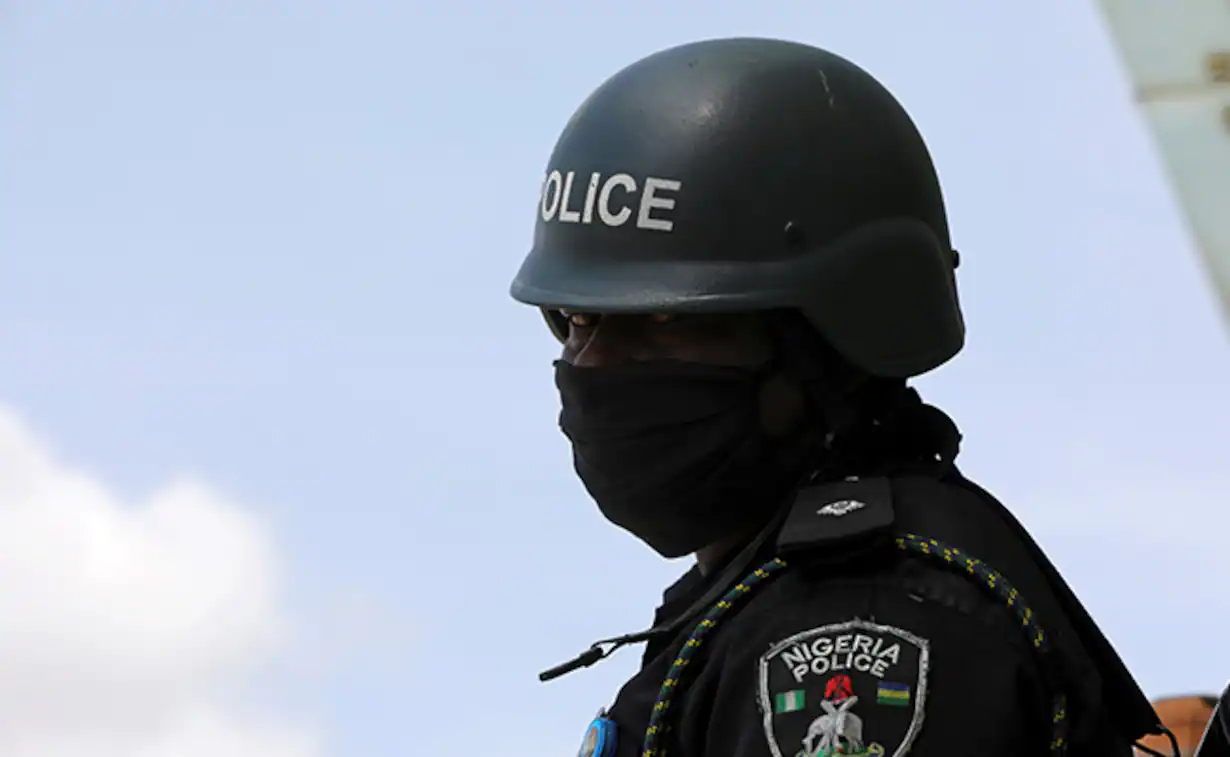
Abuja is under heightened security today as the Federal Capital Territory prepares for the Area Council elections scheduled for Saturday, 21 February 2026. In a clear signal of the seriousness with which authorities are treating the upcoming polls, security agencies, led by the FCT Police Command, have deployed personnel across the city to ensure that the electoral process unfolds peacefully and without disruption.
The deployments cover strategic locations, including major roads, residential areas, and polling unit access points. Officers are tasked with maintaining law and order, preventing potential incidents of voter intimidation, and ensuring smooth movement of election materials. The presence of uniformed and plainclothes personnel underscores the government’s commitment to a credible electoral exercise in the capital.
To further safeguard the elections, authorities have announced a 12-hour restriction of movement on election day, from 6 a.m. to 6 p.m. Residents are advised to plan their activities accordingly, as the restrictions are intended to facilitate a secure and orderly voting process. Only essential and accredited personnel involved in election logistics, such as INEC officials, security operatives, and media representatives, are exempt from the movement curbs.
The measure aims to minimize the risks of traffic congestion, prevent potential electoral malpractice, and reduce opportunities for last-minute disruptions that could compromise the integrity of the polls. While some residents have expressed concerns about the inconvenience of a full-day movement restriction, authorities have emphasized that the temporary curtailment is critical for maintaining safety and ensuring that citizens can vote without fear or hindrance.
In addition to the police, other security outfits, including the Department of State Services (DSS), the Nigeria Security and Civil Defence Corps (NSCDC), and the Nigeria Army, have been integrated into the election security plan. Coordination among these agencies is being closely monitored to ensure rapid response to any incidents and to maintain calm throughout the voting period.
Political analysts note that this level of security deployment is reflective of the high stakes associated with the FCT elections. As Abuja is not only the political center of Nigeria but also a microcosm of national political dynamics, a peaceful electoral process here sends a strong signal about the country’s commitment to democratic governance.
Voters are being encouraged to arrive early at polling units, comply with election regulations, and cooperate with security personnel to ensure the smooth conduct of the elections. Residents are also advised to remain calm, avoid spreading unverified information, and respect the temporary movement restrictions.
Authorities have reiterated that the measures are preventive rather than punitive. By prioritizing voter safety, the FCT Police Command and other security agencies hope to create an environment where citizens can exercise their democratic rights without fear, while political parties and candidates can compete fairly.
As Abuja prepares for the polls, the city is effectively transforming into a well-guarded zone, reflecting the determination of authorities to conduct credible elections. The combination of extensive police presence, coordinated multi-agency security planning, and movement restrictions represents one of the most comprehensive election security frameworks implemented in recent years in the Federal Capital Territory.
The outcome of the elections will not only determine local leadership but also offer insight into electoral preparedness and citizen engagement under heightened security measures. Observers will be closely monitoring the process to assess whether the strategy successfully balances safety with accessibility for voters.
In essence, Abuja is entering a moment of intense political and civic focus, with security forces playing a central role in ensuring that the FCT Area Council elections are conducted in a free, fair, and orderly manner.

