





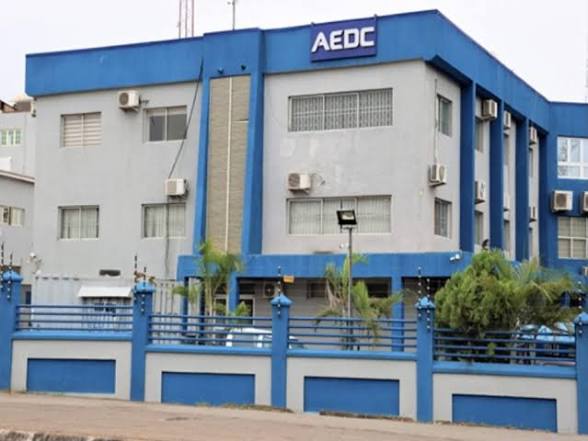
Residents and businesses across several parts of the Federal Capital Territory (FCT) experienced fresh power disruptions on Tuesday following an announcement by the Abuja Electricity Distribution Company (AEDC) of a planned electricity outage affecting parts of the nation’s capital.
According to the electricity distribution company, the temporary blackout became necessary to enable maintenance work on critical power infrastructure aimed at improving the reliability and efficiency of electricity supply within the affected communities. The exercise, which was communicated to customers ahead of the outage, is expected to last for several hours before normal electricity supply is restored.
The latest interruption once again highlights the recurring challenges facing electricity consumers in Abuja despite continuous investments and maintenance efforts by power distribution companies. While AEDC maintained that the exercise was essential for long-term service improvement, many residents expressed frustration over the timing of the outage and the impact on their daily activities.
Several districts and neighbouring communities reportedly experienced interruptions as technical teams commenced work on transmission and distribution facilities. Customers were advised to switch off electrical appliances during the maintenance period to prevent damage when power supply is eventually restored.
For many households, the outage disrupted normal domestic routines. Families relying on electricity for cooking, refrigeration, pumping water, and other household activities found themselves making alternative arrangements. In many homes, generators became the only available source of electricity, further increasing fuel expenses amid rising living costs.
Small and medium-scale businesses were among the worst affected by the outage. Hair salons, barbershops, restaurants, cybercafés, cold-room operators, pharmacies, and numerous other businesses that depend heavily on stable electricity recorded significant interruptions in operations.
Business owners lamented that every planned outage translates into additional operational costs because many are forced to rely on petrol or diesel-powered generators to remain open. Some entrepreneurs noted that the increasing cost of fuel has made generator usage more expensive, reducing their profit margins and making it difficult to sustain their businesses.
Office workers operating from home also experienced setbacks, particularly those whose jobs require uninterrupted internet connectivity and constant electricity supply. Several remote workers complained that the outage disrupted meetings, delayed project deadlines, and affected overall productivity.
Students preparing for examinations were equally affected. With schools and higher institutions increasingly embracing digital learning resources, many learners rely on electricity to charge laptops, mobile phones, and internet devices. The outage therefore posed additional challenges for academic activities.
Healthcare facilities operating within the affected areas also had to depend on backup power systems. Although major hospitals are equipped with generators, smaller clinics often struggle with the financial burden of purchasing fuel to maintain uninterrupted medical services during power failures.
AEDC reiterated that the maintenance exercise forms part of routine efforts to strengthen electricity infrastructure and reduce future equipment failures. According to the company, periodic maintenance remains necessary to replace aging components, inspect electrical installations, and improve the overall stability of the distribution network.
Electricity experts have often argued that preventive maintenance helps reduce the likelihood of sudden system collapses, equipment breakdowns, and prolonged blackouts. However, they also acknowledge that such exercises temporarily inconvenience customers who depend on stable electricity for everyday activities.
The latest outage has once again renewed conversations about Nigeria’s broader electricity challenges. Despite reforms introduced over the years, millions of Nigerians continue to experience unstable electricity supply characterized by frequent outages, voltage fluctuations, and infrastructure failures.
Experts attribute many of these challenges to aging transmission infrastructure, inadequate generation capacity, vandalism of power installations, insufficient investment, and increasing demand for electricity resulting from population growth and urban expansion.
Abuja, being the nation’s capital, has witnessed rapid development over the years. New residential estates, commercial centres, shopping malls, government institutions, and industrial facilities have significantly increased electricity demand. As a result, continuous maintenance and infrastructure upgrades have become increasingly necessary to meet growing energy needs.
Energy analysts believe that while scheduled maintenance can be inconvenient, it remains preferable to emergency repairs that often result in prolonged and unexpected outages. Planned maintenance allows customers to prepare in advance by charging devices, storing water, and making alternative energy arrangements.
Residents, however, continue to call for improved communication whenever maintenance exercises are scheduled. Many customers believe earlier notifications through text messages, social media platforms, radio broadcasts, and community announcements would enable households and businesses to better prepare for temporary disruptions.
Consumer advocacy groups have also urged electricity distribution companies to improve transparency by providing detailed explanations regarding maintenance schedules, expected restoration timelines, and the specific communities affected. Such information, they argue, helps reduce confusion and unnecessary speculation among customers.
Meanwhile, some residents expressed hope that the latest maintenance exercise would ultimately result in improved electricity supply. They noted that frequent interruptions become more acceptable when they lead to noticeable improvements in service delivery, reduced faults, and fewer unexpected outages.
The Federal Government has repeatedly emphasized its commitment to improving Nigeria’s electricity sector through investments in transmission infrastructure, power generation, renewable energy projects, and policy reforms aimed at attracting private sector participation. Stakeholders believe sustained investment remains essential to addressing longstanding challenges affecting electricity supply nationwide.
Industry observers also stress the importance of strengthening collaboration between generation companies, transmission operators, distribution companies, and government agencies to ensure more reliable electricity delivery across the country. Coordinated planning, timely infrastructure upgrades, and efficient maintenance programmes are considered vital to achieving lasting improvements.
For many Abuja residents, however, the immediate concern remains the timely restoration of electricity supply. Businesses hope to resume normal operations without significant financial losses, while households eagerly anticipate the return of power to continue daily routines disrupted by the temporary outage.
As maintenance work progresses, AEDC has appealed to customers for patience and understanding, assuring them that technical personnel are working diligently to complete the exercise safely and restore electricity as quickly as possible.
The latest planned outage serves as another reminder of the delicate balance between maintaining critical electricity infrastructure and minimizing inconvenience to consumers. While temporary disruptions may be unavoidable during maintenance operations, many Nigerians continue to look forward to a future where stable, reliable, and uninterrupted electricity supply becomes the norm rather than the exception.

