






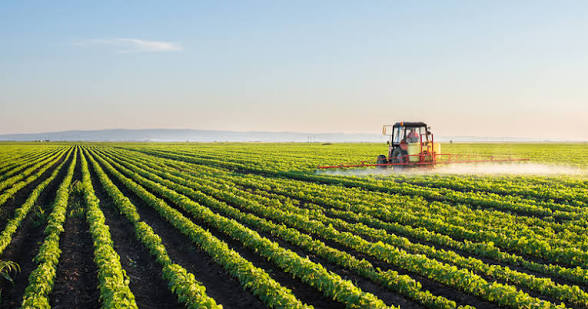
Nigeria has urged African countries to take the lead in agricultural technology innovation as part of efforts to transform the continent’s food production systems, improve food security, and strengthen economic development.
The call was made as stakeholders across Africa continue to seek practical solutions to the challenges affecting agriculture, including climate change, declining productivity, limited access to modern farming tools, and rising food demand caused by population growth.
Nigeria emphasized that Africa must move beyond traditional farming methods and embrace technology-driven solutions capable of increasing productivity, reducing losses, and empowering farmers. The country noted that agricultural innovation remains critical to achieving self-sufficiency and reducing dependence on food imports.
According to experts, Africa possesses vast agricultural potential, with millions of hectares of arable land and a youthful population that can contribute significantly to the future of food production. However, challenges such as inadequate infrastructure, poor access to finance, limited mechanisation, and outdated farming techniques have continued to slow progress in the sector.
Nigeria stressed that technology offers opportunities to address many of these challenges by providing farmers with access to improved seeds, digital farming platforms, modern irrigation systems, weather forecasting tools, and efficient supply chain solutions.
The government highlighted the importance of collaboration among African nations, research institutions, private sector players, and technology companies to develop innovations that meet the specific needs of local farmers.
Agricultural technology, commonly referred to as AgTech, has become increasingly important globally as countries seek ways to produce more food using fewer resources. Across Africa, digital tools are helping farmers access market information, receive weather updates, connect with buyers, and improve decision-making.
Nigeria believes African nations should not only adopt technologies developed elsewhere but also create homegrown solutions that reflect the continent’s unique agricultural environment.
The country encouraged investment in research and development, stating that local scientists, entrepreneurs, and farmers must be supported to develop innovations that can improve agricultural outcomes.
One major area where technology can make a difference is precision farming. Through the use of data, satellite technology, and digital monitoring systems, farmers can better understand soil conditions, manage resources efficiently, and increase crop yields.
Technology can also help reduce post-harvest losses, which remain a major challenge for many African countries. Improved storage facilities, digital supply networks, and modern processing equipment can ensure that more agricultural products reach consumers without significant waste.
Nigeria also pointed to the role of young people in driving agricultural transformation. With Africa having one of the world’s youngest populations, officials believe that encouraging youth participation in technology-based agriculture can create employment opportunities and attract innovation into the sector.
The government called for policies that support young agricultural entrepreneurs by providing access to training, funding, mentorship, and digital resources.
Experts have noted that attracting young people into agriculture requires changing perceptions of farming from a traditional occupation into a modern, technology-driven business opportunity. They believe digital agriculture can make farming more profitable and appealing to the younger generation.
Nigeria’s push for agricultural technology innovation comes amid growing concerns over food security across the continent. Population growth, climate-related challenges, and disruptions in global food markets have increased pressure on African nations to strengthen local food production.
Climate change remains one of the biggest threats facing agriculture, with unpredictable rainfall patterns, droughts, floods, and rising temperatures affecting farming activities. Technology-based solutions are increasingly seen as important tools for helping farmers adapt to changing environmental conditions.
Digital weather forecasting services, climate-smart farming techniques, and improved crop varieties can help farmers prepare for changing conditions and reduce the risks associated with climate challenges.
Nigeria also stressed the need for stronger partnerships between African countries to share knowledge, resources, and successful agricultural innovations. Officials believe cooperation will help accelerate agricultural development across the continent.
Through regional collaboration, countries can exchange ideas, develop common strategies, and create markets that benefit farmers and consumers across Africa.
Agricultural experts have also called for increased private sector investment in AgTech startups and digital platforms that provide solutions for farmers. They argue that government support alone may not be enough to transform the sector without strong participation from businesses and investors.
Financial access remains another important issue. Many smallholder farmers struggle to obtain loans needed to invest in modern equipment, improved seeds, and technology solutions. Stakeholders believe expanding agricultural financing will enable more farmers to benefit from innovation.
Nigeria reaffirmed its commitment to supporting agricultural transformation through policies aimed at improving productivity, strengthening value chains, and promoting modern farming practices.
The country believes that Africa has the capacity to become a global agricultural powerhouse if nations embrace innovation and work together toward sustainable food production.
As the continent continues to face economic and environmental challenges, stakeholders maintain that agricultural technology will play a key role in creating a more resilient and productive farming sector.
Nigeria’s message to African nations is that the future of agriculture depends on innovation, collaboration, and investment. By adopting technology and supporting local solutions, African countries can improve food security, create jobs, and unlock the full potential of the continent’s agricultural sector.

