






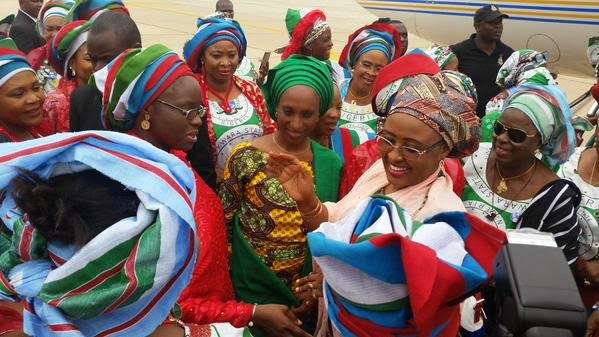
A growing coalition of women’s groups in Gombe State is intensifying pressure on lawmakers to pass an inclusive governance bill, signaling what many observers describe as a pivotal moment in the state’s political evolution.
The movement, driven by civil society organizations, gender advocates, and community leaders, is not just about legislation it represents a broader demand for structural change in how power is shared and exercised.
At the heart of the campaign is a call to institutionalize gender inclusion in governance, ensuring that women are not merely participants in politics but active decision-makers. Despite making up nearly half of the population, women in Gombe, like in many parts of Nigeria, remain significantly underrepresented in political offices and leadership roles. Advocates argue that this imbalance has long-term consequences for policy direction, development priorities, and social equity.
The proposed bill seeks to address these disparities by introducing frameworks that promote equal opportunities in political appointments, elective positions, and public service leadership. Supporters say it could serve as a blueprint for other states if successfully passed, setting a precedent for inclusive governance across the country.
During a recent advocacy gathering in Gombe, representatives of various women’s organizations emphasized that the push for inclusion is not about competition with men, but about collaboration and fairness. According to them, governance systems that exclude women risk overlooking critical perspectives, particularly on issues such as healthcare, education, and community development areas where women often have firsthand experience.
Speakers at the event highlighted the persistent barriers that women face in politics, including cultural norms, financial constraints, and limited access to political networks. These challenges, they noted, have created a cycle of exclusion that can only be broken through deliberate policy interventions.
“There is a need to move beyond rhetoric,” one of the advocates stated. “We must create legal backing that ensures women are given equal footing, not just during elections, but in governance as a whole.”
Top Society notes that the campaign is also gaining attention beyond Gombe, with national and regional organizations closely monitoring developments. Analysts believe that the outcome of this push could influence broader conversations about constitutional reforms and gender equality in Nigeria.
Political observers, however, caution that the path to passing such legislation may not be straightforward. Resistance from traditional power structures and competing political interests could slow progress. Nonetheless, the sustained advocacy and growing public awareness appear to be shifting the narrative.
Interestingly, the movement is also leveraging grassroots engagement, reaching out to local communities to build support from the ground up. Organizers say this strategy is crucial, as it ensures that the demand for inclusive governance is not confined to elite circles but resonates with everyday citizens.
Beyond the immediate goal of passing the bill, many see the campaign as part of a larger effort to redefine leadership in Gombe State. By pushing for policies that reflect diversity and inclusion, advocates hope to inspire a new generation of women to participate in politics and public service.
The timing of the push is also significant. As Nigeria continues to grapple with challenges ranging from economic pressures to security concerns, there is increasing recognition that inclusive governance can contribute to more balanced and effective solutions. Proponents argue that diverse leadership leads to more comprehensive decision-making, ultimately benefiting society as a whole.
For now, all eyes are on the Gombe State House of Assembly, where the fate of the proposed bill will be decided. Whether lawmakers embrace the call for inclusion or maintain the status quo could shape the state’s political landscape for years to come.
What is clear, however, is that the conversation has already begun to shift. The voices of women in Gombe are growing louder, more organized, and increasingly impossible to ignore.

