


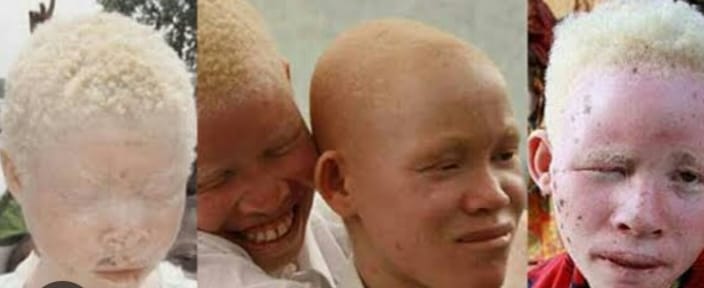
As skin cancer cases continue to surge among persons with albinism in Bayelsa State, the Albinism Association of Nigeria (AAN), Bayelsa State Chapter, has sounded the alarm over what it describes as a growing public health emergency.
The association, while marking the 2025 World Cancer Day under the theme “United by Unique,” joined millions worldwide in advocating for immediate and sustained interventions to curb preventable deaths within the albinism community.
The increasing cases of skin cancer among persons with albinism have once again highlighted the urgent need for targeted healthcare interventions, particularly as they remain disproportionately vulnerable to extreme sunlight exposure. Prolonged exposure to harsh ultraviolet (UV) rays significantly increases their risk of developing skin cancer, a life-threatening condition that has already claimed the lives of many in their community.
Despite persistent advocacy efforts spanning years, the unique challenges faced by persons with albinism in Bayelsa have largely been overlooked by the government and relevant stakeholders.
Many individuals in this community continue to struggle with poor access to essential healthcare services, preventive resources, and the financial means to afford protective measures against excessive sun exposure.
Speaking on the alarming situation, the Chairperson of the Bayelsa State Chapter of the Albinism Association of Nigeria, Mrs. Ogbogene Joy, lamented the preventable deaths occurring within their ranks due to skin cancer.
She disclosed that in 2024 alone, at least two of their members succumbed to the disease, tragedies she insisted could have been avoided with proper healthcare support.
According to Ogbogene, a significant number of persons with albinism in Bayelsa, especially those residing in remote riverine communities, are not only unaware of the severity of their condition but also lack access to basic resources that could help them stay protected. Many of our members are forced to work under the scorching sun every day because their economic circumstances leave them with no other choice.
Even though they are aware of the dangers of excessive sun exposure, poverty makes it impossible for them to afford protective measures such as sunscreen, hats, or long-sleeved clothing. As a result, they remain highly susceptible to developing skin cancer,” she explained
. She further emphasized that, despite continuous calls for intervention, the government has yet to take meaningful action to alleviate the suffering of the albinism community.
The lack of dedicated healthcare programs to address their specific needs has only deepened their vulnerability.
In a passionate appeal, Mrs. Ogbogene Joy called on the Bayelsa State Government, federal authorities, local government councils, corporate organizations, and international bodies to collaborate in implementing long-term solutions to combat the skin cancer crisis among persons with albinism.
She outlined a series of urgent interventions necessary to protect and support affected individuals, including the provision of free or subsidized sunscreen and protective clothing to reduce exposure to harmful UV rays, regular skin cancer screenings to detect and treat cases at an early stage, and the inclusion of albinism-related health concerns in government healthcare programs such as the Bayelsa Health Insurance Scheme (BHIS) to ensure affordable and accessible medical care. She also stressed the need for public awareness campaigns to educate both persons with albinism and the general public about skin protection strategies, as well as legislative support and policy development to establish long-term solutions that guarantee the rights, welfare, and healthcare needs of persons with albinism.
Beyond immediate interventions, Ogbogene underscored the necessity of forging strategic partnerships with international organizations, research institutions, and medical experts to develop more effective, evidence-based strategies to tackle skin cancer within the albinism community.
She also urged non-governmental organizations (NGOs) and philanthropists to step in and support initiatives aimed at improving the quality of life for persons with albinism. Research into affordable and innovative skin protection solutions, coupled with community-based outreach programs, would go a long way in mitigating the risks they face.
Only a united front, involving the government, civil society, corporate stakeholders, and the general public, can truly change the narrative and save lives. We cannot continue to ignore this crisis while members of our community suffer in silence,” she asserted.
The growing number of skin cancer cases among persons with albinism in Bayelsa presents a serious and urgent health crisis that demands immediate and sustained intervention from both the government and society at large.
Without prompt action, more lives will continue to be lost to a disease that is largely preventable with adequate care and resources.
As the world marks World Cancer Day 2025, the call for inclusivity, awareness, and action must not go unheard.
The government and all relevant stakeholders must rise to the occasion and ensure that persons with albinism receive the medical attention, protective resources, and policy backing they desperately need. The time to act is now!