


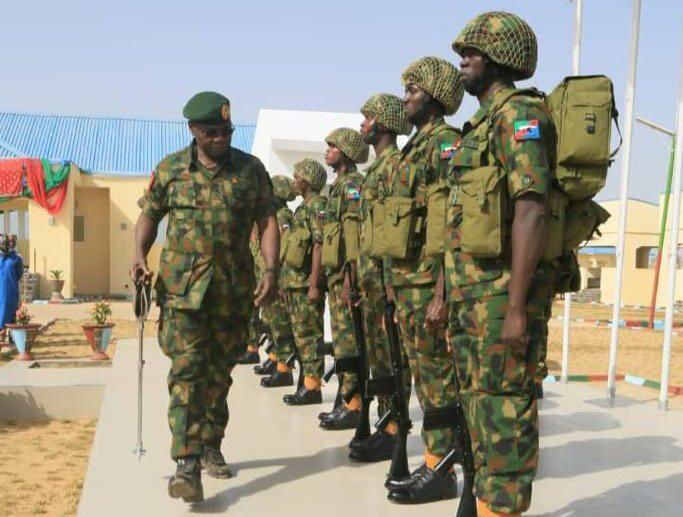
President Bola Tinubu Ahmed has approved a significant salary increase for personnel of the Nigerian Armed Forces as part of efforts to improve the welfare of soldiers and strengthen the country’s security architecture.
The new pay adjustment, which provides increases ranging from 30 per cent to 80 per cent depending on rank, is expected to benefit thousands of military personnel serving in the Nigerian Army, Navy and Air Force.
The decision comes amid growing concerns over the challenges faced by members of the armed forces, particularly those deployed to combat insurgency, banditry, terrorism, kidnapping and other security threats across different parts of the country. The Federal Government said the salary review is aimed at recognising the sacrifices of military personnel while boosting their morale and commitment to national service.
Under the approved structure, junior military personnel will receive the highest percentage increase, with soldiers between the ranks of private and staff sergeant expected to benefit from an 80 per cent salary adjustment. Those within the middle cadre, including warrant officers and officers up to the rank of colonel, will receive a 50 per cent increase, while senior officers above the rank of colonel will get a 30 per cent salary boost.
The government explained that the decision was designed to create a fairer welfare system that places greater attention on the needs of lower-ranking personnel who often face difficult conditions during operations. Many of these troops are deployed for extended periods in challenging environments and remain at the forefront of Nigeria’s efforts to tackle insecurity.
The salary adjustment is expected to raise the annual wage bill for the Armed Forces, reflecting the government’s commitment to investing more resources into security personnel. Officials noted that improving military welfare is a key component of strengthening national defence and ensuring that personnel have the motivation required to perform their duties effectively.
For years, military personnel and security experts have highlighted the need for improved remuneration, better living conditions, modern equipment and stronger support systems for troops. They have argued that adequate welfare plays an important role in maintaining discipline, professionalism and operational effectiveness within the armed forces.
The latest approval is therefore being viewed as part of broader reforms aimed at repositioning Nigeria’s military and responding to evolving security challenges. The country has continued to battle multiple security threats, including attacks by insurgent groups in the North-East, violent crimes in parts of the North-West, communal conflicts and other criminal activities affecting communities nationwide.
The Presidency said the welfare of security personnel remains a priority for the Tinubu administration, stressing that those who risk their lives to protect citizens deserve improved support. According to government officials, the new salary structure will help address some of the financial pressures faced by military families and encourage greater dedication among personnel.
The move also aligns with ongoing efforts by the government to modernise the armed forces through improved funding, equipment upgrades and enhanced training programmes. Security analysts have consistently maintained that while weapons and technology are important, the effectiveness of any military force depends heavily on the welfare, morale and preparedness of its personnel.
Beyond financial benefits, the salary increase is expected to send a strong message to serving officers and recruits that their contributions are valued by the nation. Military personnel often operate under difficult circumstances, spending long periods away from their families while carrying out missions aimed at protecting lives and maintaining territorial integrity.
The approval has also renewed discussions about the need for continuous reforms within Nigeria’s security sector. Experts believe that improved salaries should be accompanied by better healthcare services, housing support, insurance coverage and post-service benefits to ensure long-term welfare for personnel and their families.
As Nigeria continues to confront complex security challenges, the government hopes the new compensation package will strengthen confidence among troops and improve their ability to respond to threats. The administration believes that a better-supported military will be more effective in protecting citizens and defending the country’s interests.
The salary increase represents one of the most significant welfare interventions for Nigeria’s Armed Forces in recent years. While it addresses concerns about compensation, stakeholders have emphasised that sustained investment, accountability and strategic reforms remain necessary to achieve lasting improvements in the country’s security situation.
With the new pay structure set to take effect, attention will now turn to its implementation and impact on military personnel across the country. The government has expressed optimism that the initiative will contribute to a more motivated, professional and resilient Armed Forces capable of meeting Nigeria’s security demands.