


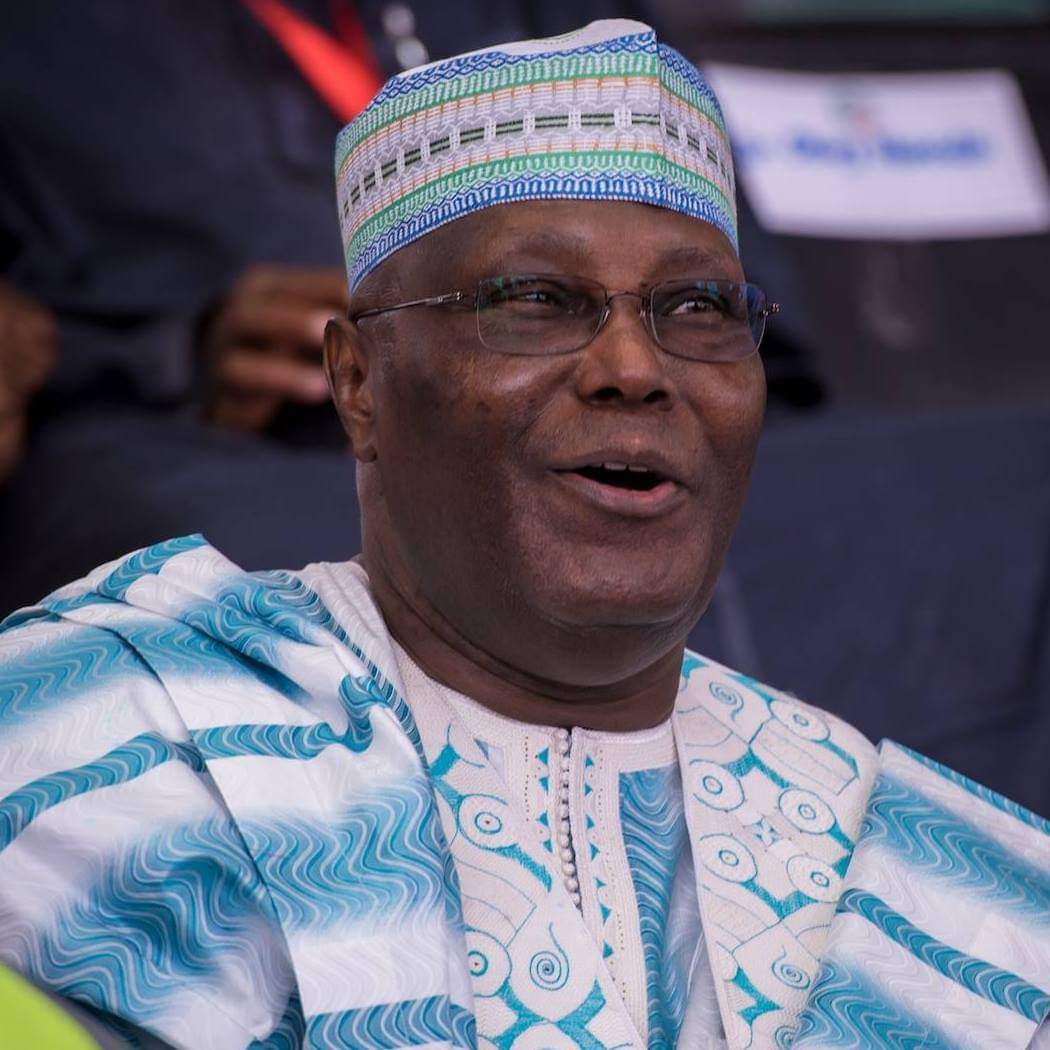
Former Vice President Atiku Abubakar has criticised the Federal Government over the reported approval of a uniform ₦50,000 examination fee for candidates sitting for the West African Senior School Certificate Examination and the National Examinations Council Senior School Certificate Examination from 2027.
Atiku described the proposed fee increase as harsh and insensitive, warning that the decision could further push education beyond the reach of millions of Nigerian children, particularly those from poor and low-income households.
The former vice president, who was the presidential candidate of the African Democratic Congress, expressed his concerns in a statement issued on Sunday by his Senior Special Assistant on Public Communication, Phrank Shaibu.
His reaction followed reports that the Federal Government, through the Ministry of Education, approved a new ₦50,000 registration fee for WAEC and NECO senior secondary examinations beginning in 2027. Reports indicate that NECO’s internal examination fee would rise from ₦30,000 to ₦50,000, while the WAEC fee would increase from ₦27,000 to ₦50,000.
Atiku argued that the increase comes at a difficult period when many Nigerian families are already struggling to cope with the rising cost of living. He pointed to high food prices, increased transportation costs, electricity tariffs, unemployment and stagnant household incomes as major pressures affecting ordinary citizens.
According to him, introducing additional education expenses under the current economic conditions could force more parents to choose between meeting basic household needs and paying for their children’s examinations.
He warned that such a situation could worsen Nigeria’s already serious out-of-school children crisis and deepen inequality in the education sector.
Atiku maintained that education should remain accessible to every Nigerian child regardless of the financial position of their parents. He argued that examination fees should not become a barrier preventing students who have completed secondary school from obtaining the certificates required to pursue higher education and employment opportunities.
The former vice president also criticised the recent increase in fees charged by Federal Unity Colleges, describing the rising cost of public education as inconsistent with the responsibility of government to promote access to learning.
He said Nigeria cannot expect to develop a competitive economy while policies continue to make education increasingly unaffordable for millions of families.
Atiku further argued that children from wealthy households may be able to absorb the rising costs, while those from poor communities could be forced to abandon their educational ambitions.
He warned that the consequences could extend beyond individual families, noting that restricting access to education may negatively affect national development, social mobility and the country’s future workforce.
The former vice president called on President Bola Tinubu to immediately reverse the increase in Unity School fees and reconsider the proposed ₦50,000 WAEC and NECO examination registration charges.
He also urged the government to convene an urgent dialogue involving education authorities, parents, teachers, examination bodies and other stakeholders to discuss sustainable ways of financing public education without placing excessive financial burdens on families.
Atiku insisted that education must be treated as a public good rather than a privilege available only to families capable of paying increasingly high fees.
He said the government should focus on expanding access to quality education, improving public schools and creating opportunities for young Nigerians rather than introducing policies that could discourage students from completing their education.
The former vice president also pledged that an ADC-led administration would reverse policies that place education beyond the reach of ordinary Nigerians.
According to him, such an administration would seek to expand access to quality education at all levels, increase the capacity of tertiary institutions and ensure that children from different economic backgrounds have equal opportunities to learn and succeed.
The controversy surrounding the examination fee increase has generated concerns among education stakeholders and advocacy groups.
The Campaign for Equal Rights and Opportunities for All Nigerians has also rejected the increase, warning that higher examination fees could place additional pressure on parents and contribute to the country’s out-of-school children problem.
Reports on the policy cited a June 18, 2026 memo signed by the Director of Senior Secondary Education in the Federal Ministry of Education, Adeniji Ibrahim, on behalf of the education minister. The memo reportedly communicated approval for the new fee structure.
For many Nigerian parents, WAEC and NECO examinations represent an important stage in their children’s education. Results from the examinations are commonly required for admission into tertiary institutions and other educational opportunities.
Critics fear that increasing registration fees to ₦50,000 could create additional difficulties for families with several children in secondary school.
A household with two candidates, for instance, could be required to provide ₦100,000 for examination registration alone, excluding school fees, textbooks, transportation, uniforms and other educational expenses.
Atiku’s intervention has therefore added a political dimension to the growing debate over the cost of education in Nigeria.
While examination bodies face operational expenses associated with organising nationwide examinations, critics insist that the government must consider the financial realities facing Nigerian families when approving major fee increases.
Atiku stressed that policies affecting education should prioritise inclusion and ensure that children are not denied opportunities because of poverty.
He warned that making education increasingly expensive could widen the gap between wealthy and poor Nigerians and weaken the country’s efforts to reduce poverty through learning and skills development.
The former vice president maintained that Nigeria’s future depends significantly on its ability to educate its young population and prepare them to contribute to economic growth and national development.
He urged the Tinubu administration to reconsider the proposed fees and engage relevant stakeholders before implementing changes that could affect millions of students.
As reactions continue to trail the proposed ₦50,000 WAEC and NECO examination fees, parents, education advocates and political figures are expected to intensify calls for a review of the decision.
For Atiku, the central concern remains the ability of ordinary Nigerian families to keep their children in school and provide them with opportunities to build a better future.
He insisted that education must not become an exclusive privilege for the wealthy, warning that policies that price children out of classrooms could have long-term consequences for Nigeria’s social and economic development.