




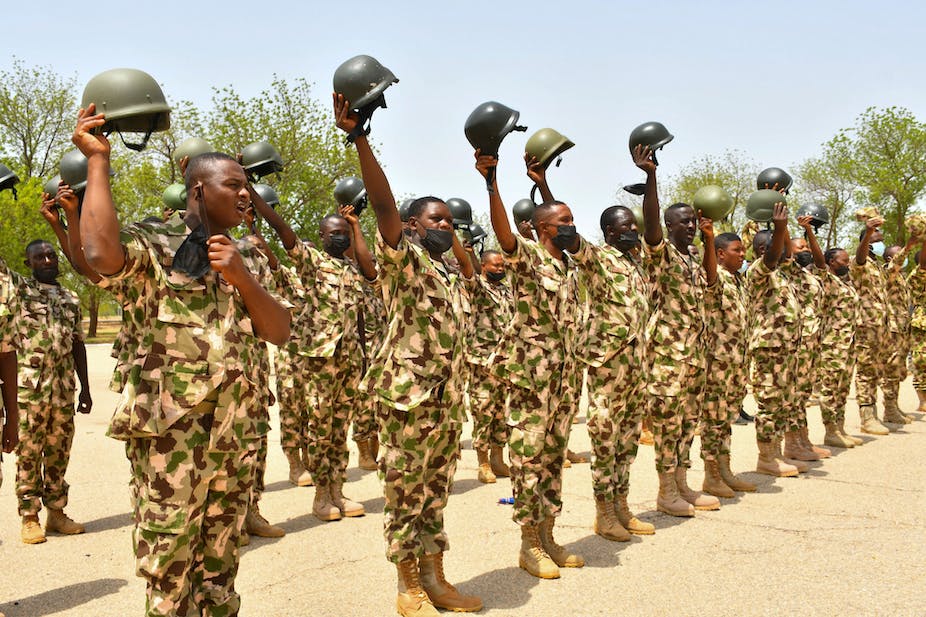
No fewer than 18 senior officers of the Nigerian Army have officially retired after completing 35 years of meritorious service, bringing to a close decades-long military careers marked by leadership, operational experience, and national service.
The retirement, which was confirmed through military authorities, is part of the routine disengagement process within the armed forces, designed to maintain professionalism, inject fresh leadership, and ensure the steady progression of younger officers within the system.
The affected officers, many of whom held strategic command and administrative positions across various formations, departments, and units, are said to have contributed significantly to the development and operational strength of the Nigerian Army over the years. Their careers spanned critical periods in Nigeria’s security landscape, including peacekeeping missions, internal security operations, and efforts to combat insurgency and other emerging threats.
Military sources indicate that the retirement aligns with established service rules, which stipulate a maximum of 35 years of service or attainment of a specified age limit, depending on rank and conditions of service. The policy is aimed at sustaining discipline, efficiency, and continuity within the force.
Speaking on the development, officials within the Nigerian Army emphasized that the outgoing officers had demonstrated professionalism and commitment throughout their years in service. They noted that the institution remains grateful for their dedication and sacrifices in defending the country’s territorial integrity and supporting civil authorities in maintaining internal peace.
Over the years, the Nigerian Army has been actively engaged in various operations across the country, particularly in the North-East, where troops continue to battle insurgent groups, as well as in other regions facing security challenges such as banditry, kidnapping, and communal conflicts. Many of the retiring officers played key roles in planning and executing these operations, contributing to both strategic decisions and field-level command.
Analysts note that such retirements often mark a significant transition phase within the military hierarchy.
As senior officers exit the system, opportunities are created for the promotion of mid-ranking officers, which in turn helps to sustain institutional continuity and leadership renewal.
In addition to operational roles, several of the retired officers were involved in training and mentoring younger personnel, helping to shape the next generation of military leaders. Their departure is therefore seen not only as the end of active service but also as the transfer of experience and institutional knowledge built over decades.
The retirement process typically includes formal disengagement ceremonies, documentation, and clearance procedures, after which the officers transition into civilian life. Some may go on to take up roles in the private sector, security consultancy, public service, or community leadership, while others may choose to retire fully from public engagement.
Reactions within military circles and among observers have largely been respectful, with many acknowledging the discipline and resilience required to complete such a lengthy period of service. Serving in the armed forces, particularly over three decades, often involves deployments to challenging environments, extended separation from family, and exposure to high-risk situations.
Security experts have also pointed out that while the exit of experienced officers may create temporary gaps in institutional memory, it is a necessary part of maintaining a dynamic and responsive military structure. They stress the importance of proper succession planning to ensure that leadership transitions do not affect operational effectiveness.
The Nigerian Army continues to reaffirm its commitment to safeguarding the nation, with assurances that the retirement of senior officers will not in any way weaken its readiness or capacity to respond to security threats. Instead, officials say the transition will further strengthen the force by allowing new leaders to bring fresh perspectives and strategies to ongoing operations.
As the 18 senior officers step into retirement, their years of service stand as a reflection of dedication to national duty. Their contributions, according to military authorities, remain part of the institution’s legacy, even as a new generation of officers rises to take on the responsibility of securing the country.

