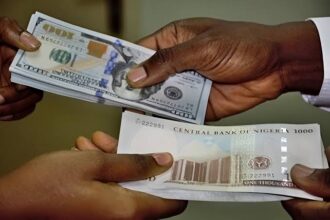




Organised labour in Nigeria has issued a firm ultimatum to the Federal Government, demanding the immediate payment of long-overdue wages and allowances owed to workers across various sectors. The warning, delivered through the Nigeria Labour Congress (NLC) and supported by the Trade Union Congress of Nigeria (TUC), gives the government until Friday to address the outstanding payments or face possible nationwide industrial action.
Labour leaders say the decision followed mounting complaints from workers who have endured months of delayed salaries, unpaid allowances, and unresolved financial entitlements. According to union representatives, the delays have worsened the economic strain on families already grappling with inflation, rising food prices, transportation costs, and housing expenses.
In a strongly worded statement, labour officials described the situation as unacceptable, arguing that workers should not be forced to bear the consequences of administrative or fiscal challenges. They emphasized that salary payments are not privileges but legal and contractual obligations that must be honored promptly.
The unions noted that several ministries, departments, and agencies are affected, alongside workers in certain federal institutions and government-funded establishments. They also raised concerns about inconsistencies in the implementation of wage adjustments and allowances previously negotiated with the government.
The ultimatum underscores growing tensions between organised labour and the administration of President Bola Tinubu, whose government has been implementing economic reforms aimed at stabilizing public finances and stimulating long-term growth. While labour leaders acknowledge the need for reforms, they insist that such measures should not come at the expense of workers’ welfare.
Top Society recalls that Union officials warned that failure to meet the Friday deadline could result in coordinated industrial action, which may include warning strikes, protests, or even a nationwide shutdown of public services. Such action could disrupt operations in key sectors including transportation, healthcare, education, and public administration.
Economic analysts observe that the standoff comes at a sensitive time for the country. Nigeria continues to navigate fiscal pressures linked to subsidy reforms, currency adjustments, and revenue constraints. However, experts caution that prolonged wage disputes could further strain productivity and investor confidence if not swiftly resolved.
Labour representatives have called for urgent dialogue, urging the Federal Government to engage in transparent discussions and present a clear timeline for settling outstanding payments. They also stressed the importance of rebuilding trust between the government and the workforce, noting that repeated delays in honoring agreements risk undermining confidence in collective bargaining processes.
Meanwhile, civil society organisations have expressed solidarity with affected workers, describing prompt salary payment as fundamental to economic stability. They argue that when workers are paid on time, consumer spending improves, which in turn stimulates local businesses and strengthens the broader economy.
Government officials have yet to release a detailed public response but are reportedly reviewing the concerns raised by organised labour. Observers expect negotiations to intensify ahead of the deadline in an effort to prevent disruptions.
As Friday approaches, attention remains focused on whether the Federal Government will meet labour’s demands or seek an extension through negotiations. The outcome is likely to shape industrial relations in the coming months and signal how wage and welfare concerns will be handled amid Nigeria’s ongoing economic reforms.